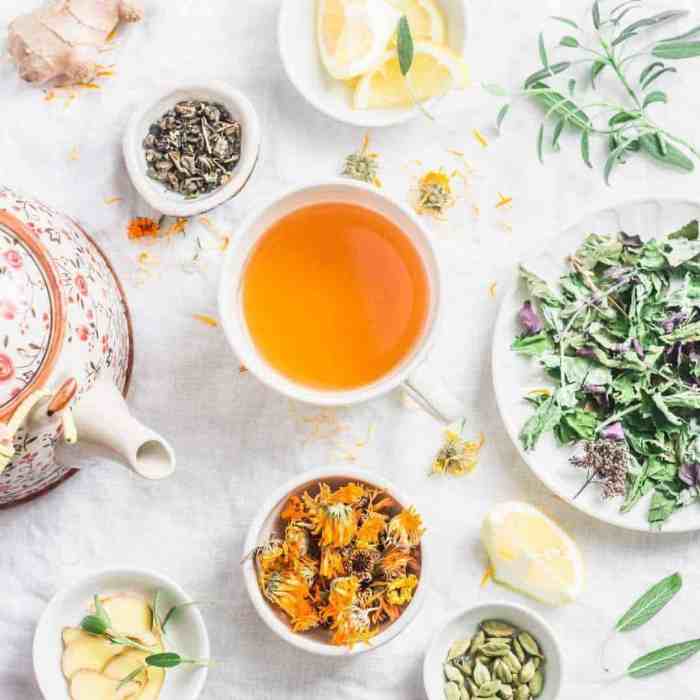
Delving into How to use herbal teas for detoxifying the body, this introduction immerses readers in a unique and compelling narrative. Herbal teas have long been revered for their detoxifying properties and their ability to support overall well-being. This guide will explore the diverse benefits of incorporating herbal teas into your daily routine for a healthier body and mind.
Throughout this discussion, we will uncover the powerful impact of herbal teas on various aspects of health, from promoting clear skin to boosting mental clarity. By the end of this exploration, you will have a comprehensive understanding of how herbal teas can enhance your detoxification journey and contribute to a more vibrant lifestyle.
Herbal Teas for Detoxification
Herbal teas have long been used for their detoxifying properties, helping the body eliminate toxins and promoting overall health. These teas are a natural and gentle way to support the body’s detox process.
Benefits of Using Herbal Teas for Detoxification
- Herbal teas help flush out toxins from the body, promoting better digestion and overall well-being.
- They can aid in weight loss by boosting metabolism and reducing bloating.
- Herbal teas are rich in antioxidants, which help fight free radicals and reduce inflammation.
- Some herbs in detox teas have diuretic properties, promoting the elimination of excess fluids and waste.
Examples of Herbs Commonly Used in Detox Teas
- Dandelion: Known for its liver-cleansing properties, dandelion helps the body eliminate toxins and supports liver function.
- Nettle: Rich in vitamins and minerals, nettle helps purify the blood and detoxify the body.
- Peppermint: Soothing and refreshing, peppermint aids digestion and can relieve bloating and gas.
- Ginger: A powerful anti-inflammatory herb, ginger supports digestion and helps detoxify the body.
How Herbal Teas Support the Body’s Natural Detox Process
Herbal teas work in synergy with the body’s natural detoxification pathways, supporting the liver, kidneys, and digestive system. By providing essential nutrients and antioxidants, herbal teas help the body eliminate waste and toxins more efficiently, promoting overall health and well-being.
Wellness Programs Incorporating Herbal Teas
Wellness programs often incorporate herbal teas as a natural way to support detoxification and promote overall health. Herbal teas have been used for centuries for their medicinal properties and ability to aid in cleansing the body.
Role of Herbal Teas in Promoting Overall Wellness
- Herbal teas are rich in antioxidants, vitamins, and minerals that help to boost the immune system and protect the body from harmful toxins.
- They can aid in digestion, reduce inflammation, and improve liver function, which are all crucial aspects of detoxification.
- By including herbal teas in wellness programs, individuals can experience improved energy levels, clearer skin, and better overall health.
Importance of Herbal Remedies in Holistic Wellness Approaches
- Herbal remedies, such as herbal teas, play a key role in holistic wellness approaches by addressing the root cause of health issues rather than just treating symptoms.
- They provide a natural and gentle way to support the body’s detoxification processes without harsh chemicals or side effects.
- Incorporating herbal teas into wellness programs encourages a holistic approach to health that focuses on the connection between the mind, body, and spirit.
Detoxification and Skin Health
When it comes to detoxification and skin health, herbal teas play a crucial role in improving the overall condition of the skin. The connection between herbal teas, detoxification, and skin health lies in the ability of certain herbs to eliminate toxins from the body, which can have a direct impact on the skin.
Improving Skin Conditions through Herbal Teas
Herbal teas contain powerful antioxidants and anti-inflammatory properties that can help detoxify the body and promote healthy skin. By aiding in the removal of toxins, herbal teas can prevent skin issues such as acne, eczema, and premature aging.
- Dandelion:Dandelion tea is known for its detoxifying properties, helping to cleanse the liver and kidneys, which in turn can lead to clearer skin.
- Burdock Root:Burdock root tea can help purify the blood and improve overall skin health, reducing inflammation and promoting a clearer complexion.
- Green Tea:Green tea is rich in antioxidants that can protect the skin from damage caused by free radicals, helping to maintain a youthful appearance.
Herbal Teas for Bone Density and Muscle Mass
Herbal teas can play a vital role in supporting bone density and muscle mass by providing essential nutrients and promoting detoxification.
Detoxification through herbal teas helps in removing toxins from the body that may hinder the absorption of nutrients crucial for bone and muscle health. By cleansing the system, herbal teas create a favorable environment for the absorption of minerals like calcium, magnesium, and potassium, which are essential for maintaining bone density and muscle mass.
Herbs for Bone Density and Muscle Mass
- Nettle: Nettle tea is rich in minerals like calcium, magnesium, and silica, which are essential for bone health. It also aids in reducing inflammation, supporting muscle health.
- Holy Basil: Holy basil tea contains antioxidants that help in reducing oxidative stress, which can negatively impact bone density and muscle mass. It also has anti-inflammatory properties that support overall bone and muscle health.
- Horsetail: Horsetail tea is a rich source of silica, a mineral crucial for collagen production, which is essential for bone and muscle strength. It also supports the absorption of calcium, promoting bone density.
- Dandelion: Dandelion tea aids in detoxification by supporting liver health, which is essential for the metabolism of nutrients required for bone and muscle health. It also contains vitamins and minerals that promote overall bone density and muscle mass.
Dental Care and Eye Health with Herbal Teas
When it comes to maintaining overall health, dental care and eye health are often overlooked aspects. Herbal teas can play a significant role in supporting these areas, thanks to their natural properties that promote detoxification and wellness.
Herbal teas can contribute to maintaining dental health by reducing inflammation, fighting bacteria, and promoting healthy gums. Similarly, when it comes to eye health, certain herbs found in herbal teas contain antioxidants and anti-inflammatory properties that can help protect the eyes from damage and improve vision.
Herbs for Dental Care
- Peppermint:Known for its antibacterial properties, peppermint tea can help freshen breath and reduce bacteria in the mouth.
- Chamomile:Chamomile tea has anti-inflammatory properties that can help soothe gum irritation and promote overall oral health.
- Clove:Clove tea is often used for its analgesic properties and can help alleviate toothaches and reduce oral bacteria.
Herbs for Eye Health
- Bilberry:Bilberry tea is rich in antioxidants that can help improve circulation to the eyes and protect against age-related eye conditions.
- Eyebright:Eyebright tea is known for its anti-inflammatory properties and can help reduce eye irritation and redness.
- Fennel:Fennel tea contains nutrients like vitamin A and C, which are essential for maintaining healthy eyes and improving vision.
Mental Clarity and Joint Flexibility Through Herbal Teas
Incorporating herbal teas into your daily routine can have significant benefits beyond detoxification. Herbal teas are known for their ability to enhance mental clarity and support joint flexibility, contributing to overall well-being.Detoxification plays a crucial role in improving mental focus and joint health.
By eliminating toxins from the body, herbal teas help reduce inflammation and promote better circulation, which are essential for maintaining cognitive function and joint mobility.
Herbs for Mental Clarity and Joint Flexibility
- Green tea: Contains antioxidants and caffeine that can improve focus and concentration, while also reducing inflammation in the joints.
- Ginger: Known for its anti-inflammatory properties, ginger can help alleviate joint pain and stiffness, while also boosting cognitive function.
- Ginkgo biloba: Enhances blood flow to the brain, promoting mental clarity and supporting overall cognitive health, which can indirectly benefit joint flexibility.
- Turmeric: Contains curcumin, a compound with powerful anti-inflammatory effects that can reduce joint pain and stiffness, while also improving brain function and mood.
Digestive Health and Herbal Teas
Herbal teas have long been used to promote digestive health and aid in detoxification. The natural compounds found in herbs can have a soothing effect on the digestive system, helping to alleviate issues such as bloating, indigestion, and constipation.
Impact of Herbal Teas on Digestive Health
Herbal teas can have a significant impact on digestive health by promoting the production of digestive enzymes, reducing inflammation in the gut, and supporting the growth of beneficial gut bacteria. Some herbs, such as ginger and peppermint, are known for their ability to calm the stomach and ease digestion.
Promoting a Healthy Digestive System
- Herbal teas can help to regulate bowel movements and relieve constipation, thanks to their natural laxative properties.
- They can reduce bloating and gas by aiding in the breakdown of food and promoting proper digestion.
- Herbs like chamomile and dandelion can have anti-inflammatory effects on the digestive tract, soothing irritation and promoting healing.
Herbs Beneficial for Digestive Health in Teas, How to use herbal teas for detoxifying the body
-
Ginger:
Known for its anti-nausea and anti-inflammatory properties, ginger can help soothe digestive issues and promote overall gut health.
-
Peppermint:
Peppermint tea can relieve indigestion, bloating, and stomach cramps, making it a popular choice for digestive discomfort.
-
Fennel:
Fennel tea can aid in digestion, reduce gas and bloating, and help alleviate symptoms of irritable bowel syndrome (IBS).
-
Licorice Root:
Licorice root tea can help soothe heartburn, acid reflux, and other digestive issues by coating the stomach lining.
Blood Pressure, Heart Rate, and Herbal Teas
Herbal teas play a significant role in maintaining healthy blood pressure and heart rate through detoxification. By incorporating specific herbs into your daily routine, you can support cardiovascular health and promote overall well-being.
Herbs Supporting Cardiovascular Health
- Green Tea: Rich in antioxidants, green tea helps reduce inflammation and improve blood flow, thus contributing to lower blood pressure.
- Hawthorn: Known for its ability to dilate blood vessels, hawthorn can help regulate blood pressure and heart rate.
- Hibiscus: Studies have shown that hibiscus tea can lower both systolic and diastolic blood pressure levels.
Health Screenings, Vaccination Programs, and Herbal Teas: How To Use Herbal Teas For Detoxifying The Body
Herbal teas can play a significant role in complementing health screenings and vaccination programs by supporting the body’s natural detoxification processes. Detoxification helps remove toxins and impurities from the body, which can enhance the effectiveness of health screenings by providing a clearer picture of overall health.
Similarly, detoxification can boost the immune system, making vaccinations more successful in preventing illnesses.
Role of Detoxification in Enhancing Health Screenings and Vaccinations
Detoxification plays a crucial role in enhancing the effectiveness of health screenings by promoting optimal organ function and cellular health. By eliminating harmful substances from the body, detoxification can improve the accuracy of health screenings, leading to better detection of potential health issues.
Additionally, a clean and detoxified body is better equipped to respond to vaccines, making them more efficient in building immunity against diseases.
Integration of Herbal Teas into Preventive Healthcare Practices
Integrating herbal teas into preventive healthcare practices can provide additional support for detoxification and overall wellness. Herbal teas with detoxifying properties, such as dandelion, ginger, and green tea, can help cleanse the body and promote optimal organ function. By incorporating herbal teas into daily routines, individuals can enhance the benefits of health screenings and vaccination programs by maintaining a healthy and detoxified internal environment.
Healthy Habits and Balanced Hormones with Herbal Teas
Herbal teas are not only soothing and refreshing but can also play a significant role in promoting healthy habits and balancing hormones. Detoxification through herbal teas can have a positive impact on hormone regulation and overall wellness by eliminating toxins that can disrupt the endocrine system.
Herbs for Promoting Healthy Habits and Balanced Hormones
- Chasteberry: Known for its ability to regulate hormones, particularly in women, chasteberry can help maintain a healthy balance of estrogen and progesterone.
- Ashwagandha: This adaptogenic herb can reduce stress levels, which in turn can help regulate cortisol levels and promote better hormone balance.
- Maca Root: Maca is rich in nutrients that support the endocrine system, aiding in hormone production and balance.
Health Coaching, Fitness Goals, and Herbal Teas
Herbal teas are not just beneficial for detoxification and overall wellness but can also play a significant role in helping individuals achieve their fitness goals when incorporated into health coaching programs.
Synergy Between Herbal Teas, Detoxification, and Fitness Objectives
Herbal teas can complement detoxification efforts by supporting the body’s natural cleansing processes, which can be essential for individuals looking to improve their overall health and fitness. The antioxidants and nutrients present in herbal teas can aid in removing toxins from the body, promoting better digestion, and boosting metabolism, all of which are crucial for achieving fitness goals.
- Herbal teas like green tea and dandelion tea are known for their detoxifying properties, which can help in eliminating harmful substances that may hinder progress towards fitness objectives.
- By incorporating herbal teas into a fitness routine, individuals can experience increased energy levels, improved focus, and enhanced endurance during workouts, leading to better performance and results.
- Health coaching programs can leverage the benefits of herbal teas to educate clients on the importance of detoxification for overall well-being and how it can positively impact their fitness journey.
Supporting Individuals in Reaching Fitness Goals with Herbal Teas
Herbal teas can serve as a natural and effective way to support individuals in reaching their fitness goals by providing various health benefits that contribute to overall well-being and physical performance.
- Specific herbal teas like ginger tea can aid in reducing inflammation and muscle soreness, allowing for quicker recovery post-workout and enabling individuals to stay consistent with their exercise regimen.
- Teas infused with adaptogens like ginseng can help in managing stress levels, promoting better sleep quality, and enhancing overall resilience, which are crucial factors in achieving fitness objectives.
- Health coaches can recommend personalized herbal tea blends based on individual needs and fitness goals, creating a holistic approach to wellness that encompasses both physical and mental well-being.
Diet Planning and Health Supplements with Herbal Teas
Herbal teas can play a crucial role in diet planning and health supplementation. They can be a great addition to a well-balanced diet and can provide additional support to ensure optimal health and wellness.
Role of Herbal Teas in Enhancing Dietary Plans and Supplements
Herbal teas, especially detox teas, can help enhance the effectiveness of dietary plans and supplements by supporting the body’s natural detoxification processes. These teas can help eliminate toxins and promote overall health by aiding digestion and improving nutrient absorption. By incorporating herbal teas into your diet plan, you can boost the benefits of your dietary supplements and achieve better results.
- Detoxifying herbs like dandelion, milk thistle, and burdock root can support liver function and aid in detoxification, enhancing the effects of dietary plans and supplements.
- Herbs like ginger, peppermint, and fennel can aid in digestion and alleviate digestive issues, making it easier for the body to absorb essential nutrients from the diet and supplements.
- Adaptogenic herbs like ashwagandha, tulsi, and licorice root can help the body adapt to stress and support overall well-being, complementing the effects of dietary plans and supplements.
Breathing Techniques, Disease Prevention, and Herbal Teas
Breathing techniques play a crucial role in promoting overall health and well-being. When combined with herbal teas, these techniques can enhance detoxification processes and aid in disease prevention.
Benefits of Combining Breathing Techniques with Herbal Teas
- Improved Oxygenation: Deep breathing exercises help increase oxygen supply to the body, promoting effective detoxification.
- Stress Reduction: Controlled breathing techniques can reduce stress levels, which in turn can boost the immune system and lower the risk of diseases.
- Enhanced Circulation: Proper breathing techniques improve blood flow, aiding in the elimination of toxins and promoting overall health.
- Supports Respiratory Health: Herbal teas with anti-inflammatory properties can complement breathing exercises to support lung function and respiratory health.
Connection Between Detox Teas, Respiratory Health, and Disease Prevention
- Detox teas containing ingredients like ginger, peppermint, or eucalyptus can help clear respiratory passages and support lung health.
- Regular consumption of herbal teas can strengthen the immune system, reducing the susceptibility to respiratory infections and diseases.
- Combining detox teas with breathing exercises can enhance the body’s ability to expel toxins and defend against pathogens.
Incorporating Herbal Teas into Disease Prevention Strategies
- Herbal teas rich in antioxidants, such as green tea or rooibos tea, can help combat free radicals and reduce the risk of chronic diseases.
- Teas with anti-inflammatory properties, like turmeric or chamomile tea, can aid in reducing inflammation and preventing related health conditions.
- Including herbal teas in a balanced diet and lifestyle can contribute to overall wellness and support disease prevention efforts in the long run.
Pain Management and Holistic Treatments with Herbal Teas
Herbal teas have been used for centuries to aid in pain management and support holistic treatments. These teas contain various herbs known for their analgesic properties, which can help alleviate discomfort and promote overall well-being.Detoxification plays a crucial role in pain management by eliminating toxins from the body that may contribute to inflammation and pain.
By incorporating herbal teas into a detoxification regimen, individuals can support their body’s natural healing processes and reduce the severity of pain symptoms.
Herbs with Analgesic Properties in Herbal Teas
- Chamomile: Known for its calming and anti-inflammatory properties, chamomile tea can help reduce muscle pain and tension.
- Ginger: Ginger tea has been used to alleviate various types of pain, including headaches, menstrual cramps, and arthritis discomfort.
- Turmeric: With its powerful anti-inflammatory effects, turmeric tea can help manage chronic pain conditions like arthritis and joint pain.
- Peppermint: Peppermint tea is often used to relieve headaches, migraines, and digestive issues that may cause abdominal pain.
- Valerian Root: Valerian tea is known for its sedative properties, helping to reduce pain associated with insomnia and anxiety.
Mental Resilience and Herbal Teas
Herbal teas are not only beneficial for physical health but also play a significant role in enhancing mental resilience and emotional well-being. The detoxifying properties of herbal teas can have a positive impact on building mental strength and resilience by promoting a healthy mind-body connection.
Herbs Supporting Mental Health and Resilience
- Chamomile: Known for its calming effects, chamomile tea can help reduce stress and anxiety, promoting relaxation and mental clarity.
- Lemon Balm: Lemon balm tea is often used to improve mood and cognitive function, helping to combat feelings of depression and boost overall mental well-being.
- Peppermint: Peppermint tea is invigorating and can help improve focus and concentration, making it a great choice for enhancing mental resilience.
- Ashwagandha: Ashwagandha tea is known for its adaptogenic properties, helping the body cope with stress and promoting a sense of calm and balance.
Final Thoughts
In conclusion, the versatile nature of herbal teas makes them a valuable addition to any detoxification regimen. Whether you’re looking to improve your skin health, support your bone density, or enhance your mental focus, herbal teas offer a natural and effective solution.
By embracing the holistic benefits of herbal teas, you’re not just detoxifying your body—you’re nourishing your entire being.
FAQ Explained
Can herbal teas be consumed daily for detoxification?
Yes, herbal teas can be safely consumed daily as part of a balanced detoxification routine. However, it’s essential to choose teas that are free from additives and caffeine for optimal results.
Are there any herbs to avoid when using herbal teas for detoxifying the body?
While most herbs used in detox teas are safe, individuals with certain medical conditions or allergies should consult a healthcare provider before incorporating new herbs into their routine.


