How to improve joint flexibility after an injury – Enhancing Recovery. Starting off with this crucial topic, we delve into effective ways to regain joint flexibility post-injury, ensuring a smooth recovery process.
Joint flexibility plays a vital role in the healing journey after an injury, and understanding how to enhance it is key to long-term health and well-being.
Overview of Joint Flexibility Improvement After Injury

Joint flexibility refers to the range of motion that a joint can achieve without causing injury or discomfort. It is crucial in the recovery process after an injury as it helps maintain and improve the function of the joint. Common causes of reduced joint flexibility after an injury include scar tissue formation, muscle weakness, and joint immobility.
By improving joint flexibility, individuals can experience reduced pain, improved posture, and enhanced overall physical performance, leading to better long-term health outcomes.
Benefits of Improving Joint Flexibility, How to improve joint flexibility after an injury
Improving joint flexibility offers a wide range of benefits beyond just the immediate recovery from injury. Here are some key advantages of enhancing joint flexibility for long-term health:
- Prevention of future injuries: Increased joint flexibility can help reduce the risk of future injuries by allowing the joint to move more freely and efficiently.
- Enhanced athletic performance: Better joint flexibility can lead to improved athletic performance by increasing range of motion and overall agility.
- Improved posture: Flexible joints can contribute to better posture, reducing strain on muscles and joints that can lead to chronic pain.
- Enhanced quality of life: Being able to move more freely and without pain can significantly improve one’s quality of life and overall well-being.
- Reduced stress and tension: Improved joint flexibility can help alleviate stress and tension in the body, promoting relaxation and better mental health.
Physical Therapy Techniques for Enhancing Joint Flexibility
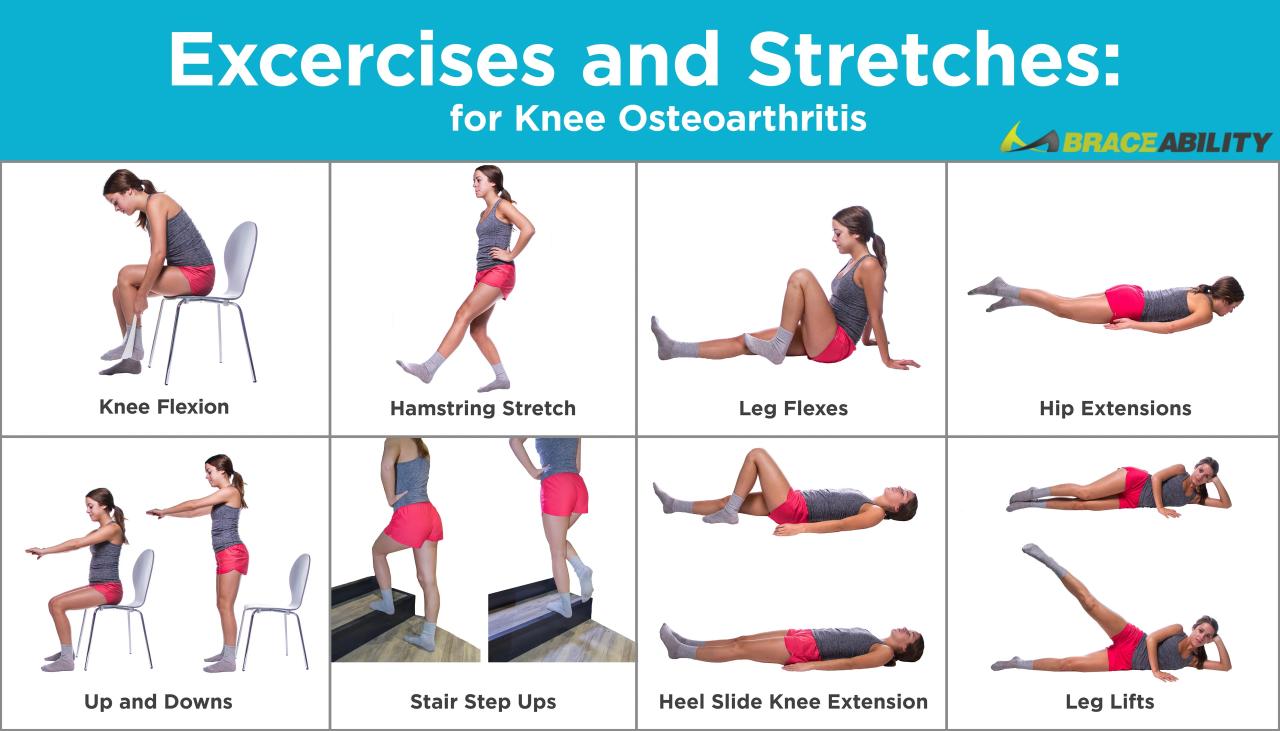
Physical therapy plays a crucial role in improving joint flexibility after an injury. It involves specific exercises and techniques designed to enhance range of motion and restore function.
Specific Physical Therapy Exercises
- Stretching exercises: Stretching is a key component of physical therapy for improving joint flexibility. It helps lengthen muscles and connective tissues, allowing for increased range of motion.
- Strength training: Building strength in the muscles surrounding the joint can help stabilize and support it, leading to improved flexibility.
- Joint mobilization: This technique involves gently moving the joint in specific directions to help improve flexibility and reduce stiffness.
Role of Stretching in Improving Joint Range of Motion
Stretching plays a vital role in improving joint range of motion by increasing the flexibility of muscles and connective tissues. It helps prevent adhesions from forming and promotes proper alignment of the joint.
Importance of Gradual Progression in Physical Therapy Programs
Gradual progression is essential in physical therapy programs to prevent further injury and allow the body to adapt to increased demands. It helps ensure that the joints and muscles are not overstressed, leading to a safe and effective improvement in flexibility over time.
Nutritional Strategies to Support Joint Health: How To Improve Joint Flexibility After An Injury
Proper nutrition plays a crucial role in promoting joint health and flexibility, especially after an injury. By incorporating key nutrients into your diet and maintaining adequate hydration levels, you can support the healing process and improve overall joint function.
Key Nutrients for Joint Flexibility and Healing
- Omega-3 fatty acids: Found in fatty fish, flaxseeds, and walnuts, omega-3s help reduce inflammation in the joints, promoting healing and flexibility.
- Vitamin C: This antioxidant vitamin is essential for collagen synthesis, which is crucial for maintaining the structure of joints and promoting flexibility.
- Vitamin D: Helps in calcium absorption, supporting bone health and reducing the risk of joint stiffness and pain.
- Glucosamine and chondroitin: These compounds are building blocks of cartilage and can help reduce joint pain and improve flexibility.
The Role of Hydration in Maintaining Joint Health
Maintaining proper hydration levels is vital for joint health as it helps lubricate the joints, reduce friction, and support the transport of nutrients to the affected areas. Drinking an adequate amount of water throughout the day can help improve joint flexibility and function.
Importance of a Balanced Diet for Overall Joint Function
A balanced diet rich in fruits, vegetables, lean proteins, whole grains, and healthy fats can provide the necessary nutrients to support overall joint function. Ensuring you consume a variety of foods can help reduce inflammation, support tissue repair, and maintain joint flexibility for optimal recovery after an injury.
Herbal Remedies and Supplements for Joint Flexibility
When it comes to improving joint flexibility after an injury, herbal remedies and supplements play a significant role in reducing inflammation and supporting overall joint health.
Herbal Remedies with Anti-inflammatory Properties
- Turmeric: Contains curcumin, a compound known for its powerful anti-inflammatory properties.
- Ginger: Helps decrease inflammation and reduce pain in the joints.
- Boswellia: Works as a natural anti-inflammatory agent and supports joint mobility.
Benefits of Glucosamine and Chondroitin Supplements
- Glucosamine: Aids in cartilage repair and helps reduce joint pain and stiffness.
- Chondroitin: Supports the elasticity of cartilage and reduces inflammation in the joints.
- Combination Supplements: Products containing both glucosamine and chondroitin are often used to improve joint flexibility and reduce pain.
Safety and Efficacy of Herbal Remedies
While herbal remedies can be effective in improving joint flexibility, it is essential to consult with a healthcare provider before using them, especially if you are taking other medications. Some herbal remedies may interact with certain drugs or have side effects.
Always ensure the quality and purity of herbal supplements to maximize their benefits and minimize risks.
Mind-Body Techniques for Enhancing Joint Flexibility
Mind-body techniques play a crucial role in enhancing joint flexibility, especially after an injury. These techniques focus on the connection between mental and physical well-being, emphasizing the importance of reducing stress, practicing mindfulness, and building mental resilience to support the recovery process.
Stress Reduction Techniques and Improved Joint Flexibility
Chronic stress can lead to muscle tension and stiffness, impacting joint mobility. By incorporating stress reduction techniques such as deep breathing, meditation, and progressive muscle relaxation, individuals can lower their stress levels and create a more conducive environment for improving joint flexibility.
Role of Mindfulness Practices in Supporting Joint Recovery
Mindfulness practices, including yoga and tai chi, can help individuals increase body awareness, improve posture, and enhance flexibility. These practices also promote relaxation, reduce inflammation, and support the healing of injured joints by fostering a mind-body connection.
Impact of Mental Resilience on Physical Healing
Mental resilience plays a significant role in the physical healing process, including joint recovery. By developing resilience through practices like positive visualization, goal setting, and cognitive reframing, individuals can better cope with challenges, setbacks, and pain during the rehabilitation journey, ultimately supporting the improvement of joint flexibility.
Epilogue
In conclusion, focusing on improving joint flexibility post-injury is essential for a successful recovery. By incorporating physical therapy techniques, nutritional strategies, herbal remedies, and mind-body techniques, individuals can enhance their joint health and overall well-being.
General Inquiries
How soon can I start physical therapy after an injury?
You should consult with your healthcare provider to determine the appropriate time to begin physical therapy based on the type and severity of your injury.
Are there specific foods that can help improve joint flexibility?
Foods rich in omega-3 fatty acids, vitamin C, and antioxidants can support joint health and flexibility.
Can herbal remedies interact with medications I’m taking for my injury?
It’s important to consult with your healthcare provider before incorporating herbal remedies to avoid any potential interactions with medications.


