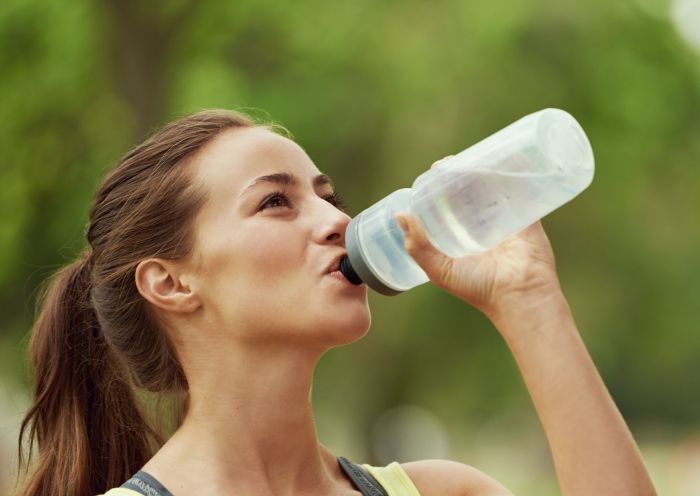
As Importance of hydration for maintaining eye health takes center stage, this opening passage beckons readers into a world crafted with good knowledge, ensuring a reading experience that is both absorbing and distinctly original.
Dehydration can have a significant impact on eye health, affecting everything from dry eyes to eye strain. By understanding the crucial role hydration plays, we can ensure our eyes stay healthy and vibrant.
Importance of Hydration for Maintaining Eye Health
Proper hydration is crucial for maintaining overall health, including the health of our eyes. Dehydration can have a significant impact on eye health, leading to various issues such as dry eyes, eye strain, and overall decreased eye function. Let’s delve into the details of how hydration plays a vital role in keeping our eyes healthy.
Impact of Dehydration on Eye Health
- Dehydration can cause dry eyes, as the tear film covering the eyes becomes insufficient. This can lead to discomfort, irritation, and potential damage to the cornea.
- Insufficient hydration can also affect the ability of the eyes to focus properly, leading to eye strain and fatigue, especially when engaging in activities that require prolonged screen time.
Role of Hydration in Preventing Dry Eyes
- Proper hydration helps maintain the balance of fluids in the body, including the tear film on the eyes. This ensures that the eyes stay moist and lubricated, reducing the risk of dry eyes.
- Drinking an adequate amount of water throughout the day can help prevent dry eyes and promote overall eye comfort and health.
Reducing Eye Strain with Proper Hydration
- Staying hydrated can help reduce eye strain by ensuring that the eyes receive an adequate amount of moisture. This can prevent symptoms such as blurry vision, headaches, and discomfort associated with eye strain.
- Regularly drinking water and keeping the body hydrated can improve the flexibility of the eye muscles, reducing the likelihood of eye strain and fatigue.
Connection between Hydration and Overall Eye Function
- Hydration plays a crucial role in maintaining the proper function of the eyes, including the ability to focus, perceive depth and color, and adjust to light changes.
- Keeping the body well-hydrated can help optimize visual performance and protect the eyes from potential damage or discomfort due to dehydration.
Wellness Programs
Wellness programs play a crucial role in promoting overall health, including eye health, by emphasizing the importance of hydration. By incorporating hydration-focused initiatives, these programs can significantly impact individuals’ well-being.
Examples of Wellness Programs Emphasizing Hydration for Eye Health
- Corporate Wellness Programs: Many companies offer wellness programs that include reminders and challenges to encourage employees to stay hydrated throughout the workday, benefiting their eye health.
- Community Health Initiatives: Local community centers or organizations may organize wellness programs that educate participants on the connection between hydration and eye health, providing resources for maintaining proper hydration levels.
Comparing Effectiveness of Different Wellness Programs
- Some wellness programs may focus solely on hydration, while others integrate hydration goals with overall lifestyle improvements. Programs that offer a holistic approach tend to be more effective in promoting sustained hydration habits for optimal eye health.
- Personalized wellness programs tailored to individuals’ needs and preferences are often more successful in ensuring adherence to hydration recommendations, leading to better eye health outcomes.
Benefits of Incorporating Hydration into Comprehensive Wellness Initiatives
- Improved overall health: Proper hydration not only benefits eye health but also enhances overall well-being, making it a valuable component of comprehensive wellness initiatives.
- Increased productivity: Hydration plays a vital role in maintaining focus and energy levels, contributing to enhanced productivity in various aspects of life, including work and personal activities.
Designing a Wellness Program Prioritizing Hydration for Optimal Eye Health, Importance of hydration for maintaining eye health
Creating a wellness program that prioritizes hydration for optimal eye health involves setting clear hydration goals, providing education on the importance of hydration for eye health, and offering support and resources to help participants maintain proper hydration levels.
Herbal Remedies for Eye Health
When it comes to supporting hydration and maintaining eye health, herbal remedies can play a significant role. These natural remedies can provide essential nutrients and antioxidants that promote hydration for the eyes.
Herbs that Promote Hydration for the Eyes
- Bilberry: Known for its high levels of antioxidants, bilberry can help improve blood circulation to the eyes and support overall eye health.
- Eyebright: This herb has anti-inflammatory properties that can help reduce eye irritation and redness, promoting hydration and comfort.
- Fennel: Fennel seeds can be used to make a soothing eye wash that helps hydrate tired and dry eyes.
Herbal Remedies for Common Eye Conditions
- Chamomile: Chamomile tea bags can be used as a compress to relieve eye strain and reduce dryness.
- Calendula: Calendula extract is known for its soothing properties and can help prevent dry eyes and irritation.
- Ginkgo Biloba: This herb can improve blood flow to the eyes, reducing the risk of eye conditions associated with dehydration.
It’s important to consult with a healthcare provider before using herbal remedies for eye health, especially if you have existing eye conditions or are taking medication. They can provide guidance on the appropriate dosage and ensure that the herbs are safe for you to use.
Skin Health and Hydration
Proper hydration plays a crucial role not only in maintaining eye health but also in ensuring healthy skin. The skin, being the body’s largest organ, relies on adequate hydration to function optimally. Dehydration can lead to dry, dull skin, which can also impact the delicate skin around the eyes.
Impact of Hydration on Skin and Eye Health
- Hydration helps in maintaining the skin’s elasticity, preventing premature aging and reducing the appearance of fine lines and wrinkles.
- The skin around the eyes is particularly sensitive and prone to dehydration, leading to puffiness, dark circles, and a tired appearance.
- Dehydration can also affect the skin’s ability to protect against external factors like UV rays and pollution, which can further impact the eyes.
Similarities in Hydration Needs of Skin and Eyes
- Both the skin and the eyes require adequate hydration to maintain their health and function properly.
- Moisturizing the skin helps in retaining moisture, which can also benefit the sensitive skin around the eyes.
- Drinking enough water and using hydrating skincare products can improve the overall hydration levels of both the skin and the eyes.
Skincare Routines for Skin and Eye Hydration
- Use a gentle cleanser to remove dirt and impurities without stripping the skin of its natural oils.
- Apply a hydrating moisturizer with ingredients like hyaluronic acid or glycerin to lock in moisture and keep the skin supple.
- Include an eye cream with ingredients like vitamin C or peptides to hydrate and brighten the delicate skin around the eyes.
Role of Hydration in Maintaining Youthful Appearance
- Proper hydration helps in maintaining the skin’s firmness and elasticity, reducing the appearance of sagging skin and wrinkles.
- Drinking water throughout the day and using hydrating skincare products can help in achieving a youthful glow and preventing premature aging.
- A well-hydrated skin barrier also supports the health of the eyes by providing a protective shield against environmental stressors.
Bone Density and Hydration
Maintaining proper hydration is not only crucial for eye health but also plays a significant role in supporting bone density. Dehydration can have adverse effects on both bone health and eye function, making it essential to focus on adequate hydration in our daily routines.
Relationship Between Hydration, Bone Density, and Eye Health
- Hydration is essential for maintaining bone density as water helps transport vital nutrients to the bones, contributing to their strength and density.
- Dehydration can lead to a decrease in bone mass and density, making bones more susceptible to fractures and weakening their overall structure.
- This decrease in bone density due to dehydration can indirectly impact eye health by affecting the overall well-being of the body, including nutrient absorption and circulation.
Strategies for Maintaining Adequate Hydration
- Drink an adequate amount of water throughout the day to ensure proper hydration levels for both bone health and eye function.
- Include hydrating foods in your diet such as fruits and vegetables with high water content to support hydration and overall health.
- Avoid excessive consumption of dehydrating beverages like caffeinated drinks and alcohol, which can contribute to dehydration.
Importance of a Balanced Diet for Hydration
- A balanced diet rich in essential nutrients like calcium, vitamin D, and magnesium is crucial for maintaining bone density and hydration levels.
- Foods like dairy products, leafy greens, nuts, and seeds can provide the necessary nutrients to support bone health and hydration.
- By focusing on a balanced diet, you can ensure that your body receives the nutrients it needs to maintain optimal bone density and support overall eye health.
Muscle Mass and Hydration
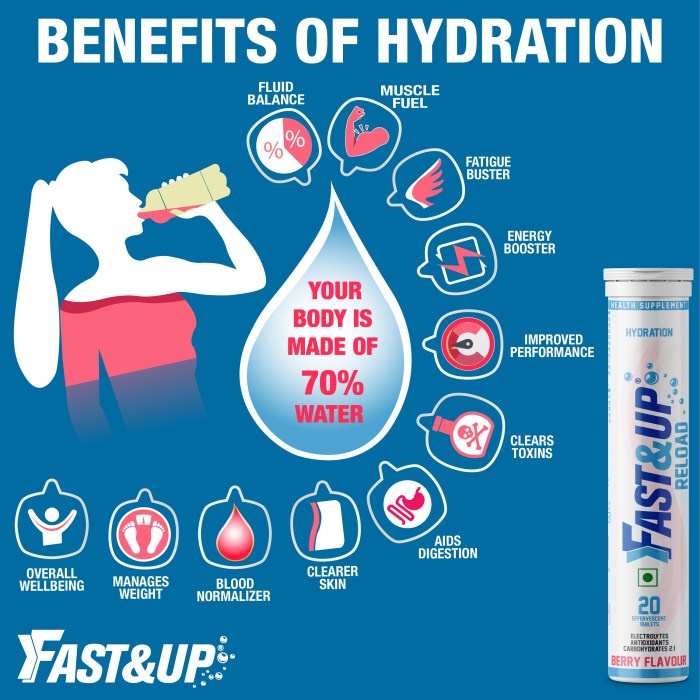
Hydration plays a crucial role in muscle function and has a direct impact on eye health. Dehydration can have detrimental effects on muscle mass, leading to various health implications for the eyes.
Importance of Hydration for Muscle Health and Eye Health
Proper hydration is essential for maintaining muscle mass and overall muscle function. Dehydration can lead to muscle fatigue, weakness, and cramps, affecting not only physical performance but also impacting eye health due to the interconnected nature of the body’s systems.
- Hydration helps transport nutrients and oxygen to muscles, aiding in their growth, repair, and maintenance.
- Electrolyte balance, which is closely linked to hydration levels, is crucial for muscle contractions and proper function.
- Dehydration can increase the risk of muscle injuries, which can indirectly affect eye health by impairing overall physical well-being.
Strategies to Support Muscle Health and Benefit the Eyes
Implementing effective hydration strategies can not only support muscle health but also benefit eye health by ensuring optimal functioning of the body.
- Drink an adequate amount of water throughout the day, especially before, during, and after physical activity.
- Consume electrolyte-rich fluids or foods to maintain the electrolyte balance necessary for muscle and eye health.
- Avoid excessive consumption of dehydrating substances like alcohol and caffeine, which can hinder hydration levels and muscle function.
Connection Between Electrolyte Balance, Hydration, Muscle Mass, and Eye Health
Electrolyte balance is a critical factor in maintaining proper hydration levels, muscle mass, and eye health, highlighting the interconnectedness of these aspects within the body.
Electrolytes such as sodium, potassium, calcium, and magnesium play key roles in muscle contractions, nerve function, and fluid balance, all of which are essential for maintaining muscle mass and supporting eye health.
Dental Care and Hydration
Maintaining proper hydration is not only crucial for overall health but also plays a significant role in dental care, which in turn can impact eye health. Dehydration can lead to dry mouth, a condition where saliva production decreases, creating an environment conducive to bacterial growth.
This can result in various oral health issues such as tooth decay, gum disease, and bad breath. These oral health problems can also indirectly affect the eyes due to the close proximity of the oral cavity to the eye area.
Impact of Dehydration on Oral Health and Eyes
- Dehydration can lead to dry mouth, reducing saliva production that helps protect teeth and gums.
- Dry mouth can increase the risk of cavities, gum disease, and oral infections.
- Oral health issues caused by dehydration can lead to inflammation and infections that may affect the eyes through the spread of bacteria.
- When oral health is compromised, the body’s overall immune response may be weakened, impacting eye health as well.
Dental Care Practices for Hydration and Eye Health
- Drink an adequate amount of water throughout the day to stay hydrated and maintain saliva production.
- Limit consumption of sugary and acidic beverages that can contribute to dental problems.
- Practice good oral hygiene, including brushing teeth twice a day and flossing regularly to prevent tooth decay and gum disease.
- Visit the dentist regularly for check-ups and cleanings to address any oral health issues promptly.
Importance of Maintaining Oral Hygiene for Overall Health
- Good oral hygiene not only prevents dental problems but also contributes to overall health and well-being.
- Poor oral health has been linked to various systemic conditions such as heart disease, diabetes, and respiratory infections.
- By taking care of your oral health, you are also supporting your immune system and reducing the risk of infections that could impact other parts of the body, including the eyes.
Mental Clarity and Hydration
Maintaining proper hydration levels is crucial not only for physical health but also for mental clarity and cognitive function. The impact of hydration on brain health directly influences eye health, as the eyes rely on optimal brain function for proper vision.
Hydration and Cognitive Function
Proper hydration plays a significant role in supporting cognitive function, including memory, focus, and overall mental clarity. Dehydration can lead to cognitive impairment, affecting decision-making and problem-solving abilities.
- Hydrate Regularly: Ensure you are drinking an adequate amount of water throughout the day to support cognitive function and maintain mental clarity.
- Avoid Dehydration: Dehydration can lead to brain fog and decreased cognitive performance, impacting your ability to focus and concentrate.
- Optimal Brain Function: Staying hydrated helps maintain optimal brain function, supporting overall cognitive abilities and enhancing mental clarity.
Hydration Tips for Mental Clarity
Here are some hydration tips to enhance mental clarity and support eye health:
- Set Hydration Goals: Establish a daily water intake goal to ensure you are staying adequately hydrated throughout the day.
- Use Hydration Reminders: Set reminders or alarms to prompt yourself to drink water regularly, especially if you tend to forget.
- Choose Hydrating Foods: Incorporate hydrating foods like fruits and vegetables into your diet to boost hydration levels.
Connection Between Hydration, Brain Health, and Eye Function
Hydration is closely linked to brain health, as the brain requires proper hydration to function optimally. The brain’s influence on eye function is significant, as the eyes rely on the brain to interpret visual information accurately.
Proper hydration supports brain health, which in turn enhances cognitive function and supports optimal eye health.
Joint Flexibility and Hydration
Proper hydration plays a crucial role in maintaining joint flexibility, which is closely linked to eye health. Dehydration can have a significant impact on joint health, leading to stiffness, reduced range of motion, and discomfort, all of which can indirectly affect eye function.
Benefits of Hydration for Joint Flexibility and Eye Health
- Hydration helps lubricate the joints, reducing friction and promoting smooth movement, which is essential for maintaining flexibility.
- Proper hydration supports the elasticity of connective tissues in the joints, allowing for better mobility and flexibility.
- Dehydration can lead to inflammation in the joints, causing pain and stiffness that may affect overall mobility, including eye movements.
Exercises and Hydration Practices
- Regular low-impact exercises like swimming, yoga, or walking can help improve joint flexibility and mobility.
- Incorporating foods rich in water content, such as fruits and vegetables, can contribute to hydration and joint health.
- Drinking an adequate amount of water throughout the day is essential to maintain joint flexibility and prevent dehydration-related issues.
Preventing Joint-Related Issues
- Ensuring proper hydration levels can prevent conditions like arthritis, which can impact joint health and potentially affect eye function.
- Hydrating adequately can help reduce the risk of joint injuries and stiffness, preserving overall joint flexibility and mobility.
- By prioritizing hydration, individuals can maintain optimal joint health, indirectly supporting their eye health and overall well-being.
Digestive Health and Hydration
Maintaining proper hydration is crucial for digestive health, as water plays a key role in the digestion and absorption of nutrients. Dehydration can have negative effects on the digestive system, leading to issues such as constipation, bloating, and even nutrient malabsorption.
These digestive issues can ultimately impact eye health due to the interconnectedness of the body’s systems.
Hydration and Digestive Function
Proper hydration is essential for optimal digestive function. Water helps to break down food, transport nutrients, and eliminate waste from the body. When dehydrated, the digestive process can slow down, leading to constipation and other gastrointestinal issues.
- Drink an adequate amount of water throughout the day to support digestion and overall health.
- Include hydrating foods in your diet, such as fruits and vegetables, to increase water intake.
- Avoid excessive consumption of dehydrating beverages like alcohol and caffeine, which can hinder digestion.
Fluid Intake and Eye Health
Adequate fluid intake is not only important for digestive health but also for maintaining optimal eye health. Dehydration can lead to dry eyes, blurred vision, and eye strain, affecting overall visual acuity and comfort.
- Ensure you are drinking enough water to keep your body hydrated, including your eyes.
- Consider incorporating hydrating foods like cucumbers and watermelon into your diet to support eye health.
- Limit the consumption of salty and processed foods, as they can contribute to dehydration and negatively impact eye function.
Detox Process and Hydration
Hydration is a key factor in the body’s detoxification process, impacting various systems including eye health. Dehydration can hinder the body’s ability to eliminate toxins efficiently, leading to potential implications for eye health.
Role of Hydration in Detoxification
Proper hydration supports the function of organs involved in detoxification, such as the liver and kidneys. Water helps flush out toxins from the body, including those that might affect eye health.
- Hydration aids in the removal of waste products and toxins through urine and sweat, reducing the burden on detoxification pathways.
- Drinking an adequate amount of water ensures that the lymphatic system, responsible for removing cellular waste, functions optimally.
- Optimal hydration levels support the breakdown of toxins in the liver and their subsequent elimination from the body.
Impact of Dehydration on Detoxification
When the body is dehydrated, detoxification processes can be compromised, potentially leading to a buildup of toxins that may affect overall health, including eye function.
- Dehydration can reduce blood flow to the kidneys, affecting their ability to filter waste and toxins effectively.
- A lack of hydration may slow down the removal of metabolic waste products, impacting cellular function and overall detoxification.
- Inadequate water intake can contribute to the accumulation of toxins in the body, potentially leading to inflammation and oxidative stress that can impact eye health.
Detox Methods that Prioritize Hydration
Several detox methods emphasize the importance of hydration to support overall health and promote efficient toxin removal, benefiting eye health in the process.
- Consuming water-rich foods such as fruits and vegetables can contribute to hydration levels and support detoxification processes.
- Herbal teas and infused water can provide additional hydration while offering detoxifying properties to support the body’s cleansing mechanisms.
- Following a balanced diet rich in nutrients and antioxidants can aid in detoxification pathways and promote optimal eye health.
Benefits of Staying Hydrated for Detoxification
Maintaining proper hydration levels offers numerous benefits for effective detoxification, ensuring the body can eliminate toxins efficiently and support optimal eye health.
- Hydration helps transport nutrients and oxygen to cells while removing waste products, supporting overall cellular function and detox processes.
- Adequate water intake promotes healthy digestion and bowel movements, aiding in the elimination of waste and toxins from the body.
- Proper hydration supports the body’s natural detoxification pathways, reducing the risk of toxin buildup that could impact eye health and overall well-being.
Blood Pressure and Hydration
Maintaining proper hydration levels is crucial for regulating blood pressure, which in turn plays a significant role in supporting eye health. Dehydration can lead to fluctuations in blood pressure levels, potentially impacting the function of the eyes and causing discomfort or vision issues.
Connection between Hydration, Blood Pressure, and Eye Health
- Hydration helps in maintaining optimal blood volume, which is essential for regulating blood pressure levels. When dehydrated, the body may struggle to manage blood pressure effectively, leading to spikes or drops that can affect eye function.
- Proper hydration supports overall cardiovascular health, aiding in the smooth circulation of blood to the eyes and other vital organs. This ensures that the eyes receive an adequate supply of oxygen and nutrients for optimal function.
Lifestyle Changes and Hydration Practices for Healthy Blood Pressure and Eye Health
- Ensure to drink an adequate amount of water throughout the day to maintain hydration levels and support blood pressure regulation.
- Incorporate hydrating foods such as fruits, vegetables, and soups into your diet to supplement water intake and promote overall hydration.
- Avoid excessive consumption of caffeinated or alcoholic beverages, as they can contribute to dehydration and potentially impact blood pressure levels.
Role of Hydration in Supporting Cardiovascular Health and Eye Function
- Hydration plays a crucial role in supporting cardiovascular function, including blood pressure regulation, which indirectly affects eye health by ensuring proper blood flow and oxygen delivery to the eyes.
- By maintaining optimal hydration levels, individuals can help reduce the risk of cardiovascular complications that may impact blood pressure and, consequently, the overall health of their eyes.
Heart Rate and Hydration
Maintaining optimal hydration is crucial for heart health and has significant implications for eye function. Dehydration can lead to changes in heart rate variability, which can in turn affect eye health. It is essential to understand the relationship between hydration, heart rate, and their impact on overall well-being.
Relationship Between Hydration, Heart Rate Variability, and Eye Health
Proper hydration plays a key role in regulating heart rate variability, which is essential for maintaining a healthy cardiovascular system. Changes in heart rate can impact blood flow to the eyes, affecting their function and health. Dehydration can disrupt this delicate balance, leading to potential issues with eye health.
- Low hydration levels can cause an increase in heart rate, which may reduce blood flow to the eyes and impact their ability to function optimally.
- Dehydration can also lead to changes in blood pressure, further affecting the cardiovascular system and potentially impacting eye health.
- Maintaining adequate hydration levels can help regulate heart rate variability, supporting cardiovascular well-being and promoting healthy eyes.
Strategies for Maintaining Optimal Hydration
To support heart health and benefit eye function, it is essential to prioritize hydration through the following strategies:
- Drink an adequate amount of water throughout the day, aiming for at least 8-10 glasses to stay properly hydrated.
- Include hydrating foods in your diet, such as fruits and vegetables with high water content, to supplement your fluid intake.
- Avoid excessive consumption of dehydrating beverages like alcohol and caffeinated drinks that can contribute to fluid loss.
- Monitor your hydration levels by paying attention to thirst cues, urine color, and overall fluid intake to ensure you are adequately hydrated.
Importance of Proper Hydration for Cardiovascular Well-being and Eye Health
Proper hydration is essential for maintaining a healthy cardiovascular system, as it helps regulate heart rate variability and blood flow throughout the body. By staying hydrated, you can support optimal heart function, which in turn benefits eye health by ensuring adequate blood flow and nutrient delivery to the eyes.
Remember, staying properly hydrated is not only crucial for your heart health but also plays a significant role in maintaining healthy eyes.
Health Screenings and Hydration
Maintaining proper hydration levels is crucial when preparing for health screenings, especially when it comes to eye health evaluations. Dehydration can significantly impact the accuracy of these screenings, leading to potential misdiagnoses or overlooked issues. Therefore, it is essential to focus on hydration to ensure optimal results and maintain good eye health.
Importance of Hydration in Health Screenings
- Proper hydration helps to keep the eyes well-lubricated and functioning optimally, which is essential for accurate screenings.
- Dehydration can cause dry eyes, leading to discomfort and potential inaccuracies in the evaluation of eye health during screenings.
- Hydration plays a key role in maintaining the overall health of the eyes and supporting clear vision, which is essential for detecting any potential issues early on.
Hydration Tips for Health Screenings
- Drink an adequate amount of water leading up to the screening to ensure proper hydration levels.
- Avoid excessive caffeine and alcohol consumption, as they can contribute to dehydration.
- Include hydrating foods in your diet, such as fruits and vegetables with high water content, to support hydration.
Role of Hydration in Eye Health Screenings
- Hydration helps to maintain the elasticity of the eye tissues and supports the proper functioning of the tear ducts, which are essential for clear vision.
- Proper hydration can aid in the detection of early signs of eye conditions and prevent potential complications by ensuring accurate screenings.
- Ensuring adequate hydration levels can contribute to overall eye health and help in maintaining optimal vision for the long term.
Vaccination Programs and Hydration
Hydration plays a crucial role in supporting vaccination programs and is closely linked to maintaining eye health. Proper hydration levels are essential for optimizing the effectiveness of vaccines and ensuring overall health, including the well-being of our eyes.
Significance of Hydration in Supporting Vaccination Programs
Hydration is vital for vaccination programs as it helps the body respond effectively to the vaccine. Dehydration can hinder the body’s ability to produce a robust immune response, potentially reducing the vaccine’s efficacy. This can have implications for eye health as well, as the eyes are susceptible to infections and other conditions that vaccines aim to prevent.
Hydration Practices to Enhance Vaccine Effectiveness
- Drink an adequate amount of water before and after receiving a vaccine to ensure your body is well-hydrated.
- Avoid excessive consumption of dehydrating beverages like alcohol and caffeinated drinks, as they can impact hydration levels.
- Eat water-rich foods like fruits and vegetables to supplement your hydration and support the immune system.
Role of Hydration in Promoting Immune Response During Vaccination
Adequate hydration is crucial for promoting a strong immune response during vaccination. Hydration helps transport essential nutrients throughout the body, supports the function of immune cells, and aids in the elimination of toxins. By staying hydrated, you can protect your overall health, including your eye health, during vaccination programs.
Healthy Habits and Hydration: Importance Of Hydration For Maintaining Eye Health
Maintaining healthy habits is essential for overall well-being, and incorporating hydration into daily routines plays a crucial role in supporting optimal eye health. Adequate hydration is not only beneficial for the body but also for the eyes, as they rely on proper moisture to function effectively.
Examples of Healthy Habits that Prioritize Hydration
- Drinking an adequate amount of water throughout the day
- Including hydrating foods in meals, such as fruits and vegetables
- Carrying a reusable water bottle to stay hydrated on the go
- Setting reminders to drink water regularly
Benefits of Establishing a Routine with Adequate Hydration
Hydration helps maintain the tear film in the eyes, which is crucial for clear vision and preventing dryness.
- Improved focus and concentration
- Reduced eye strain and fatigue
- Prevention of dry eyes and irritation
- Support for overall eye health and function
Cultivating Healthy Habits for Long-Term Eye Health
By incorporating hydration into daily routines and prioritizing healthy habits, individuals can contribute to the long-term health of their eyes. Consistency in staying hydrated can lead to better eye function, reduced risk of eye-related issues, and overall improved well-being.
Balanced Hormones and Hydration
Maintaining balanced hormones is crucial for overall health, including eye function. Adequate hydration plays a significant role in supporting hormonal equilibrium and promoting optimal eye health.
Impact of Hydration on Hormonal Balance
- Hydration is essential for the production and regulation of hormones in the body, including those that impact eye health.
- Dehydration can lead to hormonal imbalances, which may affect various bodily functions, including the eyes.
- Proper hydration supports the transport of hormones throughout the body, ensuring they reach their target organs, including the eyes.
Hydration Strategies for Hormonal Equilibrium
- Drink an adequate amount of water throughout the day to maintain hydration levels and support hormone production.
- Include hydrating foods in your diet, such as fruits and vegetables with high water content, to stay hydrated and promote hormonal balance.
- Avoid excessive consumption of dehydrating beverages like caffeine and alcohol, as they can disrupt hormone levels.
Significance of Balanced Hormones for Eye Health
- Balanced hormones play a key role in supporting eye health by ensuring proper function of the ocular system.
- Imbalanced hormones can lead to issues like dry eyes, vision changes, and other eye-related problems.
- By maintaining hormonal equilibrium through hydration, you can help protect your eyes and preserve their health and function.
Health Coaching and Hydration
Health coaching plays a crucial role in integrating hydration recommendations to improve eye health. By educating individuals about the importance of hydration for optimal eye function, health coaches can help clients establish sustainable habits that support overall well-being.
Role of Health Coaches in Educating about Hydration for Eye Health
Health coaches are instrumental in educating individuals about the impact of hydration on eye health. They provide valuable insights into how proper hydration can enhance eye function and prevent issues related to dry eyes or vision problems.
Hydration Coaching Techniques for Optimal Eye Health
- Encouraging clients to carry a reusable water bottle and track their daily water intake.
- Setting hydration goals based on individual needs and lifestyle factors.
- Educating clients on the signs of dehydration and the importance of staying hydrated throughout the day.
- Exploring hydration-rich foods and beverages that can support eye health, such as cucumber, watermelon, and herbal teas.
Benefits of Incorporating Hydration Guidance into Health Coaching
- Improved eye health through proper hydration, leading to better vision and reduced eye strain.
- Enhanced overall well-being by supporting hydration levels that contribute to optimal bodily functions.
- Increased energy levels and mental clarity, promoting focus and cognitive function.
- Prevention of dehydration-related health issues that can impact eye health and overall quality of life.
Fitness Goals and Hydration
Maintaining proper hydration is crucial for achieving fitness goals and promoting optimal eye health. Dehydration can significantly impact physical performance, hindering progress towards fitness objectives and potentially affecting eye function. Therefore, understanding the relationship between hydration, fitness goals, and eye health is essential for overall well-being.
Hydration Practices for Enhanced Physical Performance
- Drink an adequate amount of water before, during, and after workouts to stay hydrated and support muscle function.
- Include hydrating foods in your diet, such as fruits and vegetables, to replenish electrolytes and fluids lost during exercise.
- Monitor your urine color to ensure proper hydration levels – pale yellow to clear urine indicates adequate hydration.
- Consider incorporating sports drinks or electrolyte-enhanced beverages for intense workouts to maintain electrolyte balance.
Importance of Hydration for Fitness Goals and Eye Health
- Hydration plays a vital role in regulating body temperature, lubricating joints, and transporting nutrients to muscles, all of which are essential for achieving fitness goals.
- Proper hydration supports eye health by ensuring adequate tear production and maintaining optimal eye function, reducing the risk of eye strain and dry eyes.
- Dehydration can lead to muscle cramps, fatigue, and decreased exercise performance, impacting both fitness progress and overall eye health.
- By staying hydrated, individuals can enhance their physical endurance, improve workout efficiency, and protect their eyes from potential strain and discomfort.
Diet Planning and Hydration
When it comes to maintaining eye health, diet planning plays a crucial role in incorporating hydration strategies. Ensuring that your diet includes hydrating foods can significantly impact your overall well-being, including the health of your eyes.
Key Nutrients for Hydration and Eye Health
Key nutrients such as water, electrolytes, vitamin C, vitamin E, and omega-3 fatty acids play a vital role in maintaining optimal eye function. These nutrients not only keep your eyes hydrated but also protect them from oxidative damage and inflammation.
Meal Planning Tips for Hydration
- Include plenty of fruits and vegetables in your meals, as they are high in water content and essential vitamins for eye health.
- Drink an adequate amount of water throughout the day to stay hydrated and support the lubrication of your eyes.
- Incorporate hydrating foods like cucumber, watermelon, and leafy greens into your diet to boost hydration levels.
- Avoid excessive consumption of dehydrating beverages like alcohol and caffeinated drinks, as they can lead to dry eyes.
- Consider adding foods rich in omega-3 fatty acids, such as salmon and chia seeds, to reduce inflammation and support eye health.
Importance of a Well-Balanced Diet for Eye Health
A well-balanced diet that includes hydrating foods is essential for promoting good eye health. By incorporating a variety of nutrient-dense foods into your meals, you can ensure that your eyes receive the necessary nutrients to function optimally and stay hydrated.
Health Supplements and Hydration
When it comes to maintaining optimal hydration levels for overall well-being, incorporating health supplements can play a crucial role. Specifically, certain supplements can support hydration and benefit eye health, promoting better function and preventing dryness.
Identify Health Supplements for Hydration and Eye Health
- Vitamin C: Known for its antioxidant properties, vitamin C can help promote hydration by supporting collagen production in the eyes, improving moisture retention.
- Omega-3 fatty acids: Essential for eye health, omega-3 fatty acids can also aid in maintaining hydration levels by reducing inflammation and supporting tear production.
- Zinc: This mineral is essential for proper eye function and can help regulate fluid levels in the eyes, contributing to overall hydration.
Guidelines for Incorporating Health Supplements for Hydration
- Consult a healthcare provider before adding any new supplements to your routine, especially if you have existing health conditions or are taking medications.
- Follow recommended dosages for each supplement to ensure safety and effectiveness.
- Choose high-quality supplements from reputable brands to guarantee potency and purity.
Importance of Consulting Healthcare Provider for Eye Health Supplements
It is crucial to seek guidance from a healthcare provider before starting any new supplements, especially when targeting eye health. They can provide personalized recommendations based on your specific needs and help prevent any potential interactions with existing medications.
Breathing Techniques and Hydration
Breathing techniques play a crucial role in maintaining proper hydration levels throughout the body, including the eyes. By focusing on mindful breathing, individuals can enhance oxygenation and promote hydration, leading to improved eye function and overall well-being.
The Impact of Proper Breathing on Eye Health
Proper breathing techniques can support hydration by ensuring that the body receives an adequate supply of oxygen, which is essential for maintaining healthy eye function. When the body is well-oxygenated, it can better absorb and utilize nutrients, including water, to keep the eyes hydrated and functioning optimally.
- Deep Breathing Exercises: Practicing deep breathing exercises can help relax the body and mind, promoting better circulation and oxygen flow throughout the body, including the eyes.
- Diaphragmatic Breathing: This technique involves breathing deeply into the diaphragm, allowing for more oxygen to enter the body and support hydration at a cellular level.
- Mindful Breathing: Mindful breathing techniques, such as meditation and focused breathing exercises, can help reduce stress and promote relaxation, which in turn supports proper hydration levels for the eyes.
The Role of Mindful Breathing in Overall Well-being
Mindful breathing is not only beneficial for eye health but also plays a vital role in maintaining overall well-being. By incorporating mindful breathing practices into daily routines, individuals can reduce stress, improve focus, and support hydration levels throughout the body.
- Stress Reduction: Mindful breathing techniques help lower cortisol levels and reduce stress, which can have a positive impact on hydration levels and eye health.
- Improved Focus: By practicing mindful breathing, individuals can enhance their focus and concentration, leading to better awareness of hydration needs and overall health.
- Support for Hydration: Mindful breathing promotes relaxation and proper oxygen flow, which are essential for maintaining hydration levels in the eyes and preventing dryness or discomfort.
Disease Prevention and Hydration
Hydration plays a vital role in disease prevention, including maintaining good eye health. Adequate hydration is crucial for overall well-being and can significantly impact the body’s ability to fight off diseases.
Impact of Dehydration on Susceptibility to Diseases Affecting Eye Function
- Dehydration can lead to dry eyes, causing discomfort and potentially increasing the risk of eye infections.
- Insufficient hydration may also contribute to conditions like glaucoma or cataracts, impacting eye health and vision.
- Dehydration can affect the production of tears, leading to irritation and blurred vision, affecting overall eye function.
Preventive Measures Prioritizing Hydration for Eye Health
- Drink an adequate amount of water throughout the day to maintain proper hydration levels.
- Include hydrating foods in your diet, such as fruits and vegetables with high water content.
- Avoid excessive consumption of dehydrating substances like caffeine and alcohol that can impact hydration levels.
Benefits of Maintaining Adequate Hydration for Promoting Good Eye Health
- Proper hydration can help in flushing out toxins from the body, reducing the risk of eye-related diseases.
- Hydration supports the function of tear ducts, ensuring the eyes stay moist and lubricated for optimal vision.
- By staying hydrated, you can prevent dryness and irritation in the eyes, promoting overall eye comfort and health.
Pain Management and Hydration
Pain management is crucial for individuals dealing with discomfort that may affect various aspects of their health, including eye function. Hydration plays a significant role in pain management and can have a direct impact on maintaining eye health.Dehydration can amplify pain perception, making individuals more sensitive to discomfort.
This increased sensitivity can also affect eye function, leading to issues such as dry eyes or blurred vision. Ensuring proper hydration levels can help alleviate these symptoms and support overall eye health.
Hydration Techniques for Pain Management and Eye Health
- Drink an adequate amount of water throughout the day to stay hydrated and reduce the risk of dehydration-related pain.
- Incorporate hydrating foods such as fruits and vegetables into your diet to supplement your fluid intake.
- Avoid excessive caffeine and alcohol consumption, as they can contribute to dehydration and worsen pain symptoms.
- Use hydrating eye drops or artificial tears to combat dry eyes and improve eye comfort.
Role of Hydration in Overall Well-being and Pain Management
- Hydration supports the body’s natural processes, including pain regulation, and can help manage discomfort that may impact eye health.
- Proper hydration is essential for maintaining joint flexibility, which can reduce pain and improve overall mobility.
- Dehydration can increase inflammation in the body, leading to pain and discomfort. Staying hydrated can help reduce inflammation and alleviate associated symptoms.
- Regular hydration can also support mental clarity and focus, allowing individuals to better manage pain and maintain optimal eye health.
Holistic Treatments and Hydration
Holistic treatments focus on treating the whole person, including physical, mental, and emotional aspects, to promote overall wellness. Incorporating hydration into holistic approaches is crucial for maintaining optimal eye health and addressing dehydration-related issues that can impact eye function.
Hydration in Holistic Treatments for Eye Health
Hydration plays a vital role in supporting eye health by ensuring proper lubrication of the eyes, which helps prevent dryness and irritation. Holistic treatments often emphasize the importance of hydration as a foundational element for maintaining clear vision and preventing various eye conditions.
- Drinking an adequate amount of water daily can help flush out toxins from the body, including the eyes, and promote overall eye health.
- Herbal remedies that focus on hydrating the eyes, such as using chamomile or fennel tea compresses, can provide soothing relief and improve eye hydration.
- Practicing relaxation techniques, such as mindfulness meditation, can reduce stress levels that may contribute to dehydration and negatively impact eye health.
Benefits of Combining Hydration with Holistic Therapies
By integrating hydration into holistic treatments for eye health, individuals can experience a range of benefits that support optimal vision and overall wellness.
- Improved eye lubrication and moisture levels, reducing the risk of dry eye syndrome and related discomfort.
- Enhanced detoxification processes in the body, leading to clearer vision and reduced eye strain.
- Better circulation and nutrient delivery to the eyes, supporting their health and function.
Mental Resilience and Hydration
Hydration plays a crucial role in maintaining mental resilience, which in turn has a significant impact on eye health. When our bodies are properly hydrated, our cognitive functions are optimized, allowing us to stay mentally strong and focused, ultimately supporting optimal eye function.
Benefits of Hydration for Mental Resilience and Eye Health
- Proper hydration helps in regulating neurotransmitter function in the brain, improving cognitive abilities and decision-making skills.
- Staying hydrated reduces fatigue and brain fog, allowing for better concentration and mental clarity, which are essential for maintaining resilience.
- Hydration supports stress management, as dehydration can amplify stress levels, affecting mental well-being and overall resilience.
Resilience-Building Techniques Incorporating Hydration
- Practice mindful hydration by being aware of your water intake throughout the day and ensuring you stay adequately hydrated.
- Incorporate hydrating foods such as fruits and vegetables into your diet to supplement your water intake and support mental resilience.
- Engage in relaxation techniques like deep breathing exercises or meditation, which can help reduce stress and support mental well-being.
Connection between Hydration, Mental Well-being, and Eye Health
- Dehydration can lead to cognitive decline, impacting mental resilience and overall well-being, including eye health.
- Optimal hydration supports the body’s detoxification process, helping to eliminate toxins that can affect mental clarity and resilience.
- Maintaining a balance of electrolytes through proper hydration is essential for nerve function, which is crucial for mental resilience and eye health.
End of Discussion
In conclusion, maintaining proper hydration is key to preserving eye health and function. By incorporating hydration into our daily routines, we can safeguard our vision and overall well-being for years to come.
Popular Questions
How does dehydration impact eye health?
Dehydration can lead to dry eyes, eye strain, and overall reduced eye function due to lack of sufficient moisture.
What are some herbal remedies that promote eye hydration?
Herbs like bilberry and fennel can support hydration for the eyes and help prevent common conditions related to dryness.
Why is it important to consult a healthcare provider before using herbal remedies for eye health?
Consulting a healthcare provider is essential to ensure the safety and efficacy of herbal remedies in maintaining eye health.


