Delving into How to brush teeth effectively for optimal dental health, this introduction immerses readers in a unique and compelling narrative, with a focus on maintaining good oral hygiene for overall well-being. From the essential tools to holistic approaches, this guide covers all aspects of dental care to help you achieve a healthy smile.
As we explore the components of effective teeth brushing, the importance of toothpaste and mouthwash, and additional tips for dental care, you’ll gain valuable insights on how to enhance your oral health. Let’s embark on this journey towards optimal dental well-being together.
Introduction to Dental Health
Dental health refers to the overall health of the teeth, gums, and mouth. It is crucial for maintaining good oral hygiene and preventing various dental problems.
Proper oral hygiene is essential to prevent issues such as cavities, gum disease, and bad breath. Regular brushing, flossing, and dental check-ups play a significant role in maintaining dental health.
Significance of Proper Oral Hygiene
Proper oral hygiene helps in removing plaque and bacteria that can cause tooth decay and gum disease.
Regular brushing and flossing can prevent cavities and reduce the risk of developing oral infections.
Good oral hygiene can also contribute to overall well-being by reducing the risk of systemic diseases linked to poor dental health, such as heart disease and diabetes.
Impact of Poor Dental Health on Overall Well-being
Poor dental health can lead to various dental problems, including cavities, gum disease, and tooth loss.
Bad breath and oral infections are common consequences of neglecting dental hygiene.
Furthermore, untreated dental issues can have a negative impact on one’s overall health and quality of life, affecting the ability to eat, speak, and socialize comfortably.
Components of Effective Teeth Brushing
To ensure optimal dental health, it is essential to brush your teeth effectively. This involves using the right tools, employing the proper technique, and maintaining a consistent brushing routine.
Essential Tools for Brushing Teeth Effectively
- A soft-bristled toothbrush: Choose a toothbrush with soft bristles to avoid damaging your enamel and gums.
- Fluoride toothpaste: Use a toothpaste that contains fluoride to help prevent cavities and strengthen tooth enamel.
- Dental floss: Flossing helps remove plaque and food particles from between your teeth, where your toothbrush may not reach.
- Mouthwash: An antimicrobial mouthwash can help kill bacteria and freshen your breath.
Proper Technique for Brushing Teeth
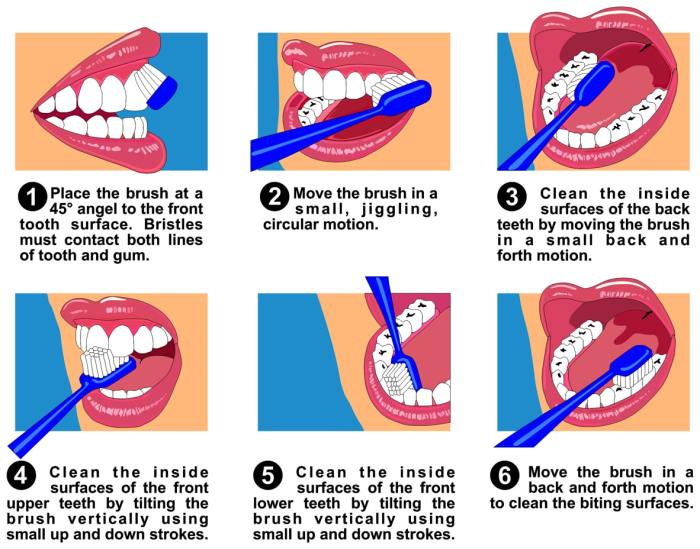
When brushing your teeth, follow these steps:
- Hold your toothbrush at a 45-degree angle to your gums.
- Use gentle circular motions to clean the front, back, and chewing surfaces of your teeth.
- Brush for at least two minutes, making sure to reach all areas of your mouth.
- Don’t forget to brush your tongue to remove bacteria and freshen your breath.
Recommended Frequency of Brushing
It is recommended to brush your teeth at least twice a day, in the morning and before bed. However, if possible, it is even better to brush after each meal to remove food particles and prevent bacterial buildup.
Importance of Toothpaste and Mouthwash
When it comes to maintaining optimal dental health, toothpaste and mouthwash play crucial roles in your oral hygiene routine.
Role of Toothpaste in Oral Hygiene
Toothpaste is specifically formulated to help remove plaque, a sticky film of bacteria that can build up on your teeth. It contains abrasive agents that aid in scrubbing away plaque and food particles, which helps prevent cavities, gum disease, and bad breath.
How Mouthwash Complements Teeth Brushing
Mouthwash is an additional step in your oral care routine that can reach areas in your mouth that your toothbrush may have missed. It helps kill bacteria that can cause bad breath and gum disease, leaving your mouth feeling fresh and clean.
Benefits of Using Fluoride Toothpaste
- Strengthens tooth enamel: Fluoride is a mineral that helps strengthen tooth enamel, making it more resistant to decay.
- Prevents cavities: Fluoride toothpaste can help prevent cavities by remineralizing areas of the teeth that have been weakened by acids from bacteria.
- Reduces sensitivity: Fluoride can help reduce tooth sensitivity by strengthening the enamel and protecting the nerves inside the teeth.
Flossing and Interdental Cleaning
Flossing and interdental cleaning are crucial components of a good oral hygiene routine. While brushing helps remove plaque and debris from the surfaces of your teeth, flossing is necessary to clean the spaces between your teeth where a toothbrush cannot reach.
Importance of Flossing
- Flossing helps remove food particles and plaque from between teeth, preventing decay and cavities.
- It reduces the risk of gum disease by removing bacteria that can lead to inflammation and infection.
- Flossing can help prevent bad breath by eliminating food debris that can cause odor.
Different Methods of Interdental Cleaning
- Traditional Floss: Using a piece of dental floss to gently clean between teeth.
- Floss Picks: Disposable plastic tools with a small section of floss attached for easy handling.
- Interdental Brushes: Small brushes designed to clean between teeth for those with larger spaces.
- Water Flossers: Devices that use a stream of water to remove debris between teeth.
How Flossing Contributes to Optimal Dental Health
Flossing plays a crucial role in maintaining optimal dental health by preventing plaque buildup and reducing the risk of gum disease. By incorporating flossing into your daily oral hygiene routine, you can ensure that your teeth and gums stay healthy and free from decay and infection.
Additional Tips for Dental Care
Maintaining good oral hygiene goes beyond just brushing and flossing. Here are some additional tips to enhance your dental care routine:
Tongue Cleaning for Better Oral Hygiene
One often overlooked aspect of oral hygiene is cleaning the tongue. The tongue can harbor bacteria and food particles that contribute to bad breath and oral health issues. To clean your tongue effectively, use a tongue scraper or your toothbrush to gently remove the buildup.
Significance of Regular Dental Check-ups
Regular dental check-ups are essential for maintaining optimal dental health. Dentists can detect early signs of dental problems, such as cavities or gum disease, and provide timely treatment. Aim to visit your dentist at least twice a year for routine check-ups and cleanings.
Choosing the Right Toothbrush for Individual Needs
When it comes to choosing a toothbrush, consider your individual needs and preferences. Opt for a toothbrush with soft bristles to prevent damage to your gums and enamel. Electric toothbrushes are also a great option for those looking for a more thorough clean.
Remember to replace your toothbrush every three to four months or sooner if the bristles are frayed.
Connection Between Dental Health and Overall Wellness
Maintaining good dental health goes beyond just having a nice smile; it also plays a crucial role in our overall well-being. Poor oral hygiene can lead to various health issues that go beyond the mouth.
Oral Health and Heart Health
- Poor oral health has been linked to an increased risk of cardiovascular diseases such as heart attacks and strokes.
- Bacteria from gum disease can enter the bloodstream and contribute to the formation of plaque in the arteries, leading to cardiovascular problems.
- Regular dental check-ups and proper oral hygiene practices can help reduce the risk of heart-related issues.
Connection Between Dental Health and Digestive Health
- Proper chewing, which is facilitated by healthy teeth, is essential for effective digestion.
- Untreated dental issues like cavities or gum disease can impact the ability to chew food properly, leading to digestive problems.
- Bacteria from oral infections can also be swallowed and affect the digestive system negatively.
Implementing Healthy Habits for Dental Care: How To Brush Teeth Effectively For Optimal Dental Health
Maintaining good dental health goes beyond just brushing your teeth. It involves adopting healthy habits that contribute to overall oral hygiene and well-being. Here are some tips to help you incorporate dental care into your daily routine effectively.
Tips for Balanced Diet, How to brush teeth effectively for optimal dental health
Eating a well-balanced diet plays a crucial role in maintaining optimal dental health. Include foods rich in calcium, vitamins, and minerals to support strong teeth and gums. Avoid excessive consumption of sugary and acidic foods, as they can lead to tooth decay and other oral health issues.
Impact of Smoking on Oral Hygiene
Smoking has detrimental effects on oral hygiene. It can cause stains on teeth, bad breath, gum disease, and even oral cancer. Quitting smoking is essential for improving overall oral health and preventing serious dental conditions.
Incorporating Dental Care into Daily Routines
Make brushing your teeth twice a day and flossing a part of your daily routine. Use fluoride toothpaste to protect your teeth from decay and maintain fresh breath. Additionally, consider using mouthwash to kill bacteria and freshen your breath. Regular dental check-ups are also crucial for early detection of any dental issues.
Holistic Approaches to Dental Health
Holistic approaches to dental health focus on treating the mouth as part of the whole body, recognizing the interconnectedness of oral health with overall well-being. These treatments consider physical, emotional, and mental factors that can impact dental health.
Role of Holistic Treatments in Dental Care
Holistic treatments in dental care prioritize natural remedies, preventive measures, and lifestyle changes to promote oral health. These may include herbal remedies, essential oils, acupuncture, and other alternative therapies that aim to treat the root cause of dental issues rather than just the symptoms.
Connection Between Mental Resilience and Oral Health
Mental resilience plays a significant role in oral health as stress and anxiety can contribute to teeth grinding, jaw clenching, and other behaviors that harm dental health. Practices like mindfulness, meditation, and relaxation techniques can help reduce stress levels, improving overall oral health.
Breathing Techniques for Dental Health
Proper breathing techniques can benefit dental health by promoting relaxation, reducing stress, and increasing oxygen flow to the gums and teeth. Techniques like deep breathing, diaphragmatic breathing, and mindful breathing can help maintain oral health by improving circulation and reducing inflammation.
Last Point
In conclusion, mastering the art of brushing your teeth effectively is the cornerstone of optimal dental health. By implementing healthy habits, incorporating regular dental check-ups, and choosing the right products, you can maintain a radiant smile and ensure your overall wellness.
Start your dental care journey today for a brighter tomorrow.
FAQ Guide
How often should I replace my toothbrush?
It’s recommended to replace your toothbrush every 3-4 months or sooner if the bristles are frayed.
Is it necessary to use mouthwash after brushing?
While not necessary, mouthwash can help freshen breath and reach areas not easily accessible by brushing alone.
Can poor dental health affect my overall well-being?
Yes, poor dental health can lead to various systemic issues like heart disease and digestive problems.


