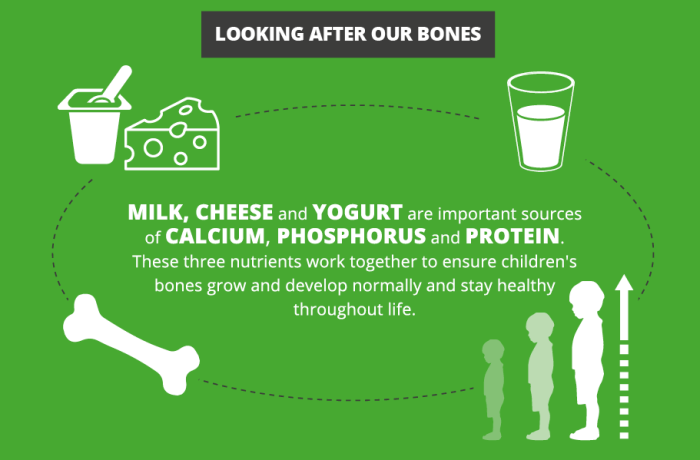
Benefits of dairy products for bone density: When it comes to strong bones, dairy products play a crucial role in enhancing bone density and overall skeletal health. Dive into this informative journey to uncover the impact of dairy on your bones.
This section explores the various nutrients found in dairy that promote bone strength, compares the effects of dairy consumption on bone density across different age groups, and delves into research findings highlighting the correlation between dairy intake and bone health.
Benefits of Dairy Products for Bone Density
Dairy products play a crucial role in maintaining and improving bone density due to their rich nutrient content that supports bone health.
Essential Nutrients in Dairy Products
- Calcium: Dairy products are a primary source of calcium, a mineral essential for bone strength and density. Adequate calcium intake helps prevent osteoporosis and fractures.
- Vitamin D: Many dairy products are fortified with vitamin D, which helps the body absorb calcium efficiently, further enhancing bone health.
- Protein: Dairy products contain high-quality proteins that support bone growth and repair, contributing to overall bone density.
Impact of Dairy Consumption on Different Age Groups
- Children and Adolescents: Consuming dairy products during growth stages is crucial for maximizing peak bone mass, which can help prevent osteoporosis later in life.
- Adults: Dairy consumption in adults helps maintain bone density and reduce the risk of fractures, especially in postmenopausal women who are more susceptible to bone loss.
- Elderly: Including dairy products in the diet of older adults can help slow down age-related bone loss and preserve bone strength.
Research Findings on Dairy Intake and Bone Strength
Studies have shown a positive correlation between regular dairy consumption and improved bone mineral density, highlighting the importance of dairy products in maintaining strong and healthy bones.
Wellness Programs
Wellness programs play a crucial role in promoting the overall health and well-being of individuals. These programs are designed to address various aspects of health, including physical fitness, nutrition, mental health, and stress management.
Components of a Comprehensive Wellness Program
- Physical Fitness: Incorporating exercise routines, fitness challenges, and access to gym facilities.
- Nutrition: Providing guidance on healthy eating habits, meal planning, and access to nutritious food options.
- Mental Health: Offering resources for stress management, mindfulness practices, and counseling services.
- Health Screenings: Conducting regular check-ups, screenings for chronic diseases, and promoting preventive care.
Examples of Successful Wellness Programs
- Google’s Wellness Program: Offers on-site fitness classes, healthy meal options, mental health resources, and employee assistance programs.
- Johnson & Johnson’s Live for Life Program: Includes fitness challenges, nutrition education, smoking cessation support, and health screenings.
Impact on Employee Productivity and Satisfaction
Wellness programs have been shown to improve employee productivity by reducing absenteeism, boosting morale, and enhancing overall job satisfaction. When employees feel supported in their health and well-being, they are more engaged and motivated at work.
Importance of Regular Health Screenings
Regular health screenings are essential in wellness programs as they help detect potential health issues early, allowing for timely intervention and treatment. Screenings can identify risk factors for chronic diseases and promote a proactive approach to health management.
Herbal Remedies
Herbal remedies have been used for centuries to promote holistic health and treat various ailments. These natural remedies are derived from plants and herbs, offering a more organic approach to wellness compared to pharmaceutical drugs.
Traditional Herbal Remedies vs. Modern Pharmaceutical Treatments
Traditional herbal remedies often focus on treating the root cause of health issues rather than just managing symptoms, which is a common approach in modern pharmaceutical treatments. While modern drugs may provide quick relief, herbal remedies aim to restore balance to the body and promote long-term health.
- Traditional herbal remedies are often passed down through generations, with knowledge of their effectiveness based on years of use and observation.
- Modern pharmaceutical treatments are usually backed by clinical trials and scientific research to validate their efficacy and safety.
- Herbal remedies may have fewer side effects compared to pharmaceutical drugs, but they may also take longer to show results.
Benefits and Risks of Incorporating Herbal Remedies into Healthcare Routines
Incorporating herbal remedies into healthcare routines can have various benefits, such as:
- Reduced risk of side effects compared to pharmaceutical drugs.
- Promotion of overall well-being and balance in the body.
- Potential cost savings compared to expensive prescription medications.
However, there are also risks associated with herbal remedies, including:
- Possible interactions with prescription medications.
- Variability in quality and potency of herbal products.
- Lack of regulation and standardization in the herbal supplement industry.
Success Stories of Individuals Benefiting from Herbal Remedies
Many individuals have shared their success stories of finding relief and healing through herbal remedies. Whether it’s managing chronic pain, improving digestion, or boosting immunity, herbal remedies have played a significant role in their wellness journeys.
One success story involves a woman who struggled with insomnia for years and found relief through a combination of herbal teas and relaxation techniques, avoiding the need for prescription sleep aids.
Skin Health
Maintaining healthy skin is essential for overall well-being. The condition of our skin is influenced by various factors, including nutrition, lifestyle choices, and skincare routines.
Nutrition and Skin Health
Proper nutrition plays a crucial role in the health of our skin. Consuming a balanced diet rich in vitamins, minerals, and antioxidants can help maintain skin elasticity, prevent premature aging, and promote a clear complexion. Essential nutrients like Vitamin C, Vitamin E, and Omega-3 fatty acids are particularly beneficial for skin health.
Lifestyle Factors and Skin Health
Lifestyle choices such as smoking, excessive sun exposure, poor sleep habits, and high stress levels can negatively impact skin health. Smoking and sun exposure can accelerate skin aging and increase the risk of skin cancer. On the other hand, getting enough sleep, managing stress, and avoiding harmful environmental factors can help maintain healthy skin.
Tips for Healthy Skin
- Stay hydrated by drinking plenty of water throughout the day.
- Eat a diet rich in fruits, vegetables, whole grains, and lean proteins.
- Avoid excessive sun exposure and always use sunscreen when outdoors.
- Establish a consistent skincare routine with gentle cleansers, moisturizers, and sunscreen.
- Get an adequate amount of sleep each night to allow your skin to regenerate.
Common Skin Conditions and Management
Skin conditions such as acne, eczema, psoriasis, and dermatitis can affect the health and appearance of your skin. It is essential to consult a dermatologist for proper diagnosis and treatment. Management strategies may include topical treatments, prescription medications, lifestyle changes, and dietary modifications to improve skin conditions effectively.
Muscle Mass
Muscle mass plays a crucial role in overall health and functional abilities. It is essential for supporting daily activities, maintaining posture, and preventing injuries. Additionally, muscle mass contributes to a higher metabolism, which can aid in weight management and overall health.
Effects of Aging on Muscle Mass
As we age, there is a natural decline in muscle mass known as sarcopenia. This can lead to decreased strength, mobility issues, and an increased risk of falls and fractures. It is important to address this decline through proper nutrition and exercise to maintain muscle strength and functionality as we grow older.
Preserving Muscle Strength
To preserve muscle strength, it is essential to engage in regular resistance training exercises. This can include weightlifting, bodyweight exercises, and resistance bands. Adequate protein intake is also crucial for muscle maintenance and repair. Additionally, staying hydrated and getting enough rest are important factors in preserving muscle mass.
Effective Strategies for Building and Maintaining Muscle Mass
- Engage in strength training exercises at least 2-3 times per week.
- Consume an adequate amount of protein to support muscle growth and repair.
- Ensure you are getting enough rest and recovery time between workouts.
- Stay hydrated to support muscle function and prevent cramping.
- Incorporate a variety of exercises that target different muscle groups for overall strength and balance.
Examples of Exercises for Muscle Growth and Strength
- Deadlifts: This compound exercise targets multiple muscle groups, including the legs, back, and core.
- Squats: A great lower body exercise that engages the quadriceps, hamstrings, and glutes.
- Push-ups: An effective bodyweight exercise that works the chest, shoulders, and triceps.
- Pull-ups: This exercise targets the back, biceps, and shoulders, helping to build upper body strength.
Dental Care
Good dental care is essential for maintaining overall health. Poor oral hygiene can lead to various dental issues and even impact systemic health. By taking care of your teeth and gums, you can prevent common dental problems and ensure strong and healthy teeth.
Importance of Good Dental Hygiene
Maintaining good dental hygiene is crucial for preventing issues such as cavities, gum disease, and tooth decay. It also helps in avoiding bad breath and maintaining a bright smile. Regular brushing, flossing, and dental check-ups are key components of good dental hygiene.
Common Dental Issues and Prevention
- Tooth decay: Caused by plaque buildup on teeth. Prevent by brushing twice a day, flossing, and limiting sugary foods.
- Gum disease: Inflammation of the gums that can lead to tooth loss. Prevent by regular dental cleanings and proper oral hygiene.
- Bad breath: Often caused by poor oral hygiene, certain foods, or underlying health issues. Maintain good oral hygiene and stay hydrated.
Tips for Maintaining Strong and Healthy Teeth
- Brush teeth at least twice a day with fluoride toothpaste.
- Floss daily to remove plaque between teeth.
- Limit sugary and acidic foods that can erode tooth enamel.
- Visit the dentist regularly for check-ups and cleanings.
Connection between Oral Health and Systemic Health
Maintaining good oral health can have a positive impact on systemic health. Poor oral hygiene has been linked to various health conditions such as cardiovascular disease, diabetes, and respiratory infections. By taking care of your teeth and gums, you can contribute to your overall well-being.
Eye Health
Regular eye examinations are crucial for maintaining good eye health as they can help detect any potential issues early on. This is important because many eye conditions can develop without any noticeable symptoms, leading to more serious problems if left untreated.
Common Eye Conditions and Impact
- Refractive errors such as nearsightedness, farsightedness, and astigmatism can affect vision quality and lead to eye strain and headaches.
- Cataracts, which cause clouding of the eye’s lens, can result in blurry vision and difficulty seeing clearly.
- Glaucoma, a group of eye conditions that damage the optic nerve, can lead to vision loss and even blindness if not managed properly.
- Age-related macular degeneration (AMD) can cause central vision loss and impair the ability to see fine details.
Tips for Preventing Eye Strain and Preserving Vision
- Take regular breaks when using digital screens to reduce eye strain.
- Ensure proper lighting when reading or working to avoid eye fatigue.
- Eat a diet rich in fruits and vegetables, particularly those high in antioxidants like lutein and zeaxanthin, to support eye health.
- Wear protective eyewear when engaging in activities that could pose a risk to your eyes, such as sports or working with tools.
Advancements in Eye Care Technology and Treatments
- Laser eye surgery, such as LASIK, has become a popular option for correcting vision and reducing the need for glasses or contact lenses.
- Implantable contact lenses offer an alternative to traditional contacts for those with specific vision needs.
- Retinal imaging technology allows for detailed examination of the back of the eye, aiding in the early detection of eye conditions.
- Gene therapy shows promise in treating genetic eye disorders by targeting the underlying causes at a molecular level.
Mental Clarity
Maintaining mental clarity is crucial for cognitive function and overall well-being. Factors such as stress, lack of sleep, poor nutrition, and sedentary lifestyle can negatively impact mental clarity. It is important to adopt mindfulness practices to improve focus, concentration, and cognitive abilities.
Benefits of Mindfulness Practices
Mindfulness practices, such as meditation and deep breathing exercises, can help reduce stress levels, improve attention span, and enhance cognitive function. By being present in the moment and practicing mindfulness regularly, individuals can experience increased mental clarity and awareness.
- Reduced stress levels
- Improved focus and attention
- Enhanced cognitive abilities
Tips for Enhancing Focus and Concentration
To enhance focus and concentration, it is essential to create a conducive environment, minimize distractions, prioritize tasks, and practice time management. Additionally, staying hydrated, getting regular exercise, and taking short breaks can also boost mental clarity and productivity.
- Create a to-do list and prioritize tasks
- Practice mindfulness techniques, such as deep breathing exercises
- Stay hydrated and eat brain-boosting foods
Brain-Boosting Foods and Supplements
Certain foods and supplements can support brain health and cognitive function. Foods rich in omega-3 fatty acids, antioxidants, and vitamins can help boost memory, focus, and mental clarity. Additionally, supplements like fish oil, ginkgo biloba, and vitamin B12 can provide added support for brain health.
- Fatty fish, such as salmon and mackerel
- Blueberries, nuts, and seeds
- Leafy greens, like spinach and kale
Joint Flexibility
Maintaining joint flexibility is crucial for overall mobility and quality of life. Flexible joints allow for a full range of motion, making daily tasks easier and reducing the risk of injuries.
Impact of Age and Lifestyle on Joint Health
As we age, our joints naturally undergo wear and tear, leading to decreased flexibility. Sedentary lifestyles, lack of exercise, poor posture, and improper nutrition can also contribute to joint stiffness and pain over time.
- Regular physical activity, such as walking, swimming, or yoga, can help improve joint flexibility and reduce stiffness.
- Eating a balanced diet rich in nutrients like omega-3 fatty acids, vitamin D, and antioxidants can support joint health.
- Maintaining a healthy weight can alleviate pressure on the joints and prevent further damage.
Exercises and Stretches for Promoting Joint Flexibility
Engaging in specific exercises and stretches can target different joint areas and improve flexibility. Here are some examples:
- Shoulder Circles:Rotate your shoulders forward and backward in circular motions to loosen up the shoulder joints.
- Quadricep Stretch:Stand on one leg and pull your other foot towards your buttocks to stretch the quadriceps.
- Neck Rotations:Gently turn your head from side to side to increase flexibility in the neck joints.
Tips for Preventing Joint Injuries and Managing Joint Pain
To prevent joint injuries and manage pain effectively, consider the following tips:
- Proper Warm-Up:Always warm up before exercising to prepare your joints and muscles for movement.
- Use Proper Form:Maintain correct posture and technique during physical activities to avoid unnecessary strain on the joints.
- Listen to Your Body:Pay attention to any discomfort or pain in your joints and modify your activities accordingly.
Digestive Health: Benefits Of Dairy Products For Bone Density
Maintaining good digestive health is crucial for overall well-being as it plays a significant role in nutrient absorption, immune function, and even mental health. The connection between diet, digestion, and digestive health is undeniable, as the foods we eat directly impact the health of our gut.
Role of Gut Health in Overall Well-being
The gut is often referred to as our “second brain” because of its influence on various aspects of our health. A healthy gut is essential for proper digestion, absorption of nutrients, and even the synthesis of certain vitamins. Furthermore, the gut plays a crucial role in our immune system, as a significant portion of our immune cells reside in the gut.
It also communicates with the brain through the gut-brain axis, affecting mood, cognition, and even behavior.
Tips for Improving Digestion and Maintaining a Healthy Gut
- Avoid processed foods and prioritize whole, fiber-rich foods to support healthy digestion.
- Stay hydrated and incorporate probiotic-rich foods like yogurt, kefir, and sauerkraut into your diet.
- Manage stress levels, as stress can negatively impact gut health and digestion.
- Chew your food thoroughly to aid in the digestion process and reduce digestive discomfort.
- Consider incorporating prebiotic foods like bananas, onions, and garlic to feed the beneficial bacteria in your gut.
Benefits of Probiotics for Digestive Health
Probiotics are live bacteria and yeasts that are beneficial for gut health when consumed in adequate amounts. They can help restore and maintain a healthy balance of gut bacteria, improve digestion, and support immune function. Probiotics are found in fermented foods like yogurt, kimchi, and kombucha, as well as in supplement form.
Including probiotic-rich foods in your diet can promote a healthy gut microbiome and overall digestive health.
Detox Process
Detoxification is the process of removing toxins and impurities from the body to promote overall health and wellness. It is essential for supporting the body’s natural ability to eliminate waste and maintain optimal function. By incorporating natural ways to support the detox process, individuals can experience improved energy levels, clearer skin, better digestion, and enhanced immune function.
Natural Ways to Support Detox Process
- Adequate Hydration: Drinking plenty of water helps flush out toxins and supports kidney function.
- Eating a Balanced Diet: Including fiber-rich foods, fruits, vegetables, and lean proteins can aid in detoxification.
- Regular Exercise: Physical activity promotes circulation and helps the body eliminate toxins through sweat.
Tips for Safely and Effectively Detoxing the Body
- Avoiding processed foods, alcohol, and sugar during a detox period can enhance results.
- Practicing mindfulness and stress-reducing techniques like yoga and meditation can support the body’s detox process.
Benefits of Periodic Detoxification for Overall Wellness
- Improved Energy Levels: Detoxing can help boost energy and vitality.
- Clearer Skin: Detoxing can improve skin health by reducing inflammation and promoting a radiant complexion.
- Weight Management: Detox programs can kickstart weight loss and promote healthy eating habits.
Blood Pressure
Maintaining healthy blood pressure levels is crucial for overall well-being as high blood pressure can lead to serious health issues such as heart disease, stroke, and kidney problems. On the other hand, low blood pressure can cause dizziness, fainting, and fatigue.
Lifestyle factors play a significant role in influencing blood pressure, including diet, exercise, stress levels, and smoking habits. It is important to monitor blood pressure regularly and take steps to keep it within a healthy range.
Significance of Healthy Blood Pressure
High blood pressure, also known as hypertension, can damage the arteries over time, leading to heart disease, stroke, and other complications. On the other hand, low blood pressure, or hypotension, can cause dizziness, fainting, and fatigue. Maintaining healthy blood pressure levels is essential for overall health and well-being.
Lifestyle Factors Influencing Blood Pressure
- Eating a balanced diet rich in fruits, vegetables, whole grains, and lean proteins can help lower blood pressure.
- Regular physical activity, such as walking, swimming, or cycling, can help reduce blood pressure levels.
- Managing stress through relaxation techniques like deep breathing, yoga, or meditation can have a positive impact on blood pressure.
- Avoiding tobacco and limiting alcohol consumption can also help maintain healthy blood pressure levels.
Tips for Lowering High Blood Pressure Naturally
- Reduce sodium intake by avoiding processed foods and adding more fresh fruits and vegetables to your diet.
- Incorporate potassium-rich foods like bananas, sweet potatoes, and spinach into your meals.
- Engage in regular physical activity to help lower blood pressure and improve overall cardiovascular health.
- Maintain a healthy weight through a balanced diet and regular exercise to reduce the risk of high blood pressure.
Potential Risks of High or Low Blood Pressure
High blood pressure can increase the risk of heart disease, stroke, and kidney problems if left uncontrolled. Low blood pressure can cause dizziness, fainting, and fatigue, impacting daily activities and overall quality of life.
Heart Rate
The heart rate is a crucial indicator of cardiovascular health, representing the number of times the heart beats per minute. Maintaining a healthy heart rate is essential for overall well-being and fitness.
Importance of Heart Rate Monitoring
Monitoring your heart rate during physical activity is important to ensure that you are exercising at the right intensity level. It helps you determine if you are pushing yourself too hard or not hard enough, allowing for a more effective workout and reducing the risk of overexertion.
- Wearable fitness trackers and heart rate monitors can provide real-time feedback on your heart rate, helping you adjust your workout intensity accordingly.
- Tracking your heart rate over time can also help you gauge improvements in cardiovascular fitness and endurance.
Tips for Improving Heart Rate Variability
Heart rate variability (HRV) refers to the variation in time intervals between heartbeats, which is an indicator of the heart’s ability to adapt to different situations. Improving HRV can enhance cardiovascular health and overall well-being.
Engaging in stress-reducing activities such as meditation, deep breathing exercises, and yoga can help improve heart rate variability.
Effect of Different Exercises on Heart Rate
Different types of exercises can have varying effects on heart rate and overall heart health. Understanding how each exercise impacts your heart rate can help you create a well-rounded fitness routine.
- Aerobic exercises like running, cycling, and swimming can increase heart rate and improve cardiovascular endurance.
- Strength training exercises may cause a temporary spike in heart rate during the workout but can lead to long-term benefits for heart health.
- Yoga and Pilates, which focus on flexibility and core strength, can help regulate heart rate and reduce stress levels.
Health Screenings
Regular health screenings play a crucial role in early disease detection and prevention, contributing to overall wellness.
Recommended Health Screenings
- For adults 18-39 years old: Blood pressure checks, cholesterol tests, and skin cancer screenings are recommended.
- For adults 40-64 years old: In addition to the above, screenings for diabetes, colorectal cancer, and vision and hearing tests are important.
- For adults 65 and older: Regular screenings for osteoporosis, dementia, and falls prevention are vital for maintaining health.
Preparing for Health Screenings
- Follow any fasting or medication instructions provided by your healthcare provider.
- Bring a list of current medications and any relevant medical history to your appointment.
- Wear comfortable clothing that allows for easy access to the areas being screened.
Benefits of Preventive Health Screenings
- Early detection of diseases leads to more effective treatment options and improved outcomes.
- Screenings can help identify risk factors for chronic conditions, allowing for preventive measures to be taken.
- Regular health screenings promote a proactive approach to healthcare, leading to better overall wellness and quality of life.
Vaccination Programs
Vaccination plays a crucial role in preventing infectious diseases and safeguarding public health. By administering vaccines, individuals can develop immunity to specific pathogens, reducing the risk of contracting and spreading illnesses.
Significance of Vaccination
Vaccination programs are essential for achieving community immunity, also known as herd immunity. This concept highlights the importance of a significant portion of the population being immunized to protect those who cannot be vaccinated, such as individuals with weakened immune systems.
By creating a protective barrier around vulnerable individuals, vaccination programs help limit the spread of contagious diseases within communities.
Common Vaccines for Different Age Groups
- Infants and young children: Vaccines like DTaP (Diphtheria, Tetanus, Pertussis), MMR (Measles, Mumps, Rubella), and Hib (Haemophilus influenzae type b) are recommended to protect against various childhood illnesses.
- Adolescents and adults: Vaccines such as Tdap (Tetanus, Diphtheria, Pertussis), HPV (Human Papillomavirus), and influenza are commonly recommended to maintain immunity and prevent the spread of infections.
- Elderly population: Vaccines like Zoster (Shingles), Pneumococcal, and Influenza are crucial for protecting older individuals from age-related infections.
Impact of Vaccination on Public Health Outcomes
Vaccination programs have significantly contributed to the decline of many infectious diseases worldwide. By reducing the incidence of illnesses like polio, measles, and influenza, vaccines have played a pivotal role in improving public health outcomes and increasing life expectancy. Additionally, vaccination helps prevent outbreaks of communicable diseases and reduces the burden on healthcare systems by lowering hospitalization rates and healthcare costs.
Healthy Habits
Maintaining key healthy habits is essential for improving overall well-being. Consistency in these habits is crucial for long-term health benefits. Here are some tips for developing and sustaining healthy lifestyle choices, along with success stories of individuals who have transformed their health through these habits.
Key Healthy Habits
- Regular exercise: Engaging in physical activity helps strengthen muscles, improve cardiovascular health, and boost mood.
- Healthy eating: Consuming a balanced diet rich in fruits, vegetables, lean proteins, and whole grains provides essential nutrients for optimal functioning.
- Adequate sleep: Getting 7-9 hours of quality sleep each night is vital for physical and mental well-being.
- Stress management: Practicing relaxation techniques such as meditation, yoga, or deep breathing can reduce stress levels and enhance overall health.
Consistency in Healthy Habits
Consistency is key in maintaining healthy habits. By incorporating these habits into your daily routine, you can create lasting changes that lead to improved well-being over time.
Tips for Developing Healthy Lifestyle Choices
- Start small: Begin by making gradual changes to your habits rather than trying to overhaul your entire lifestyle at once.
- Set goals: Establish realistic goals for yourself and track your progress to stay motivated.
- Find support: Surround yourself with like-minded individuals who encourage and support your healthy choices.
- Stay positive: Focus on the benefits of healthy habits and celebrate your achievements along the way.
Success Stories
Many individuals have transformed their health through healthy habits. By committing to regular exercise, nutritious eating, sufficient sleep, and stress management, these individuals have experienced significant improvements in their overall well-being, ranging from weight loss and increased energy to better mental clarity and emotional resilience.
Balanced Hormones
When it comes to overall health and well-being, balanced hormones play a crucial role in regulating various bodily functions. Hormones act as chemical messengers in the body, controlling processes such as metabolism, growth, mood, and reproduction.
Role of Hormones in Regulating Bodily Functions
Hormones are responsible for maintaining homeostasis within the body, ensuring that different systems work together harmoniously. For example, insulin regulates blood sugar levels, while thyroid hormones control metabolism. Additionally, sex hormones like estrogen and testosterone play a key role in reproductive health.
Impact of Hormonal Imbalances on Overall Health
- Disruption in hormonal balance can lead to a wide range of health issues, including weight gain, fatigue, mood swings, and fertility problems.
- Hormonal imbalances have been linked to conditions such as polycystic ovary syndrome (PCOS), thyroid disorders, and adrenal fatigue.
Tips for Naturally Balancing Hormones
- Adopt a healthy diet rich in whole foods, including fruits, vegetables, lean proteins, and healthy fats.
- Engage in regular exercise to help regulate hormone levels and reduce stress.
- Get an adequate amount of quality sleep each night to support hormone production and balance.
- Manage stress through relaxation techniques like meditation, yoga, or deep breathing exercises.
Benefits of Balanced Hormones for Overall Well-being
- Improved mood and mental clarity
- Enhanced energy levels and metabolism
- Regulated menstrual cycles and reproductive health
- Healthy weight management and muscle mass
Health Coaching
Health coaching plays a crucial role in supporting individuals to achieve their health goals by providing personalized guidance and motivation. These coaches work with clients to identify their specific needs, create action plans, and offer ongoing support to promote behavior change and sustainable lifestyle improvements.
Role of Health Coaches
Health coaches serve as mentors and motivators, helping individuals set realistic health goals and develop strategies to achieve them. They provide education, accountability, and encouragement to empower clients to make positive changes in their health habits.
Benefits of Working with a Health Coach
- Personalized guidance tailored to individual needs and preferences.
- Accountability and support to stay on track with health goals.
- Evidence-based strategies to promote behavior change and long-term success.
- Motivation and encouragement to overcome challenges and setbacks.
Health Coaching Strategies
- Setting SMART goals (Specific, Measurable, Achievable, Relevant, Time-bound).
- Creating action plans with manageable steps and milestones.
- Implementing behavior change techniques such as positive reinforcement and goal setting.
- Utilizing motivational interviewing to explore clients’ readiness for change and enhance intrinsic motivation.
Success Stories
“After working with a health coach, I was able to lose weight, improve my fitness level, and adopt healthier eating habits. The personalized guidance and support made a significant difference in my overall well-being.”
Sarah
“Thanks to my health coach, I was able to quit smoking, reduce stress, and prioritize self-care. I feel more energized, focused, and motivated to maintain a healthy lifestyle.”
John
Fitness Goals
Setting realistic fitness goals is essential for overall health as it helps provide direction, motivation, and a sense of accomplishment. By establishing achievable targets, individuals can track their progress, stay focused, and make sustainable lifestyle changes to improve their physical well-being.
Importance of Regular Physical Activity
Regular physical activity plays a crucial role in achieving fitness goals by enhancing cardiovascular health, boosting metabolism, increasing muscle strength, and improving overall flexibility. Engaging in activities like cardio, strength training, and flexibility exercises can help individuals reach their desired fitness level and maintain a healthy lifestyle.
Tips for Staying Motivated and Overcoming Plateaus
- Set specific, measurable, achievable, relevant, and time-bound (SMART) goals to maintain motivation and track progress effectively.
- Mix up workout routines by trying new exercises, classes, or outdoor activities to prevent boredom and plateaus.
- Stay consistent with your fitness regimen by scheduling workouts in advance and making exercise a priority in your daily routine.
- Find a workout buddy or join a fitness group to stay motivated, hold yourself accountable, and enjoy the social aspect of exercising.
Effective Workout Routines for Different Fitness Goals
- For Weight Loss: Incorporate a combination of cardio exercises, strength training, and high-intensity interval training (HIIT) to burn calories, build muscle, and increase metabolism.
- For Muscle Building: Focus on compound exercises like squats, deadlifts, and bench presses to target major muscle groups and promote muscle growth.
- For Flexibility and Mobility: Practice yoga, Pilates, or dynamic stretching exercises to improve flexibility, range of motion, and joint health.
- For Endurance and Cardiovascular Health: Include activities like running, cycling, swimming, or rowing to increase stamina, lung capacity, and heart health.
Diet Planning
In today’s fast-paced world, maintaining a balanced and nutritious diet is essential for overall health and well-being. Diet planning plays a crucial role in ensuring that individuals meet their dietary goals and stay on track with their nutritional needs.
Components of a Balanced and Nutritious Diet
A balanced and nutritious diet consists of a variety of foods that provide essential nutrients for the body to function optimally. These components include:
- Proteins: essential for muscle growth and repair
- Carbohydrates: the body’s main source of energy
- Fruits and vegetables: rich in vitamins, minerals, and antioxidants
- Healthy fats: important for brain function and hormone production
- Dairy products: a good source of calcium and vitamin D for bone health
- Whole grains: provide fiber and essential nutrients
Importance of Meal Planning
Meal planning is crucial for achieving dietary goals as it helps individuals make healthier food choices, control portions, and avoid impulsive eating. By planning meals in advance, individuals can ensure they are getting the right balance of nutrients and calories to support their overall health.
Tips for Creating a Personalized Diet Plan
Creating a personalized diet plan based on individual needs involves:
- Assessing current dietary habits and identifying areas for improvement
- Setting specific, achievable goals for nutrition and health
- Incorporating a variety of foods to ensure a well-rounded diet
- Seeking guidance from a nutritionist or dietitian for personalized recommendations
- Regularly monitoring progress and making adjustments as needed
Resources for Tracking Food Intake
There are various resources available to help individuals track their food intake and monitor their nutritional intake, such as:
- Mobile apps: like MyFitnessPal or Lose It! for tracking meals and calories
- Online food diaries: to log daily food consumption and track nutrient intake
- Nutrition websites: offering information on food composition and nutritional values
- Diet and nutrition books: providing guidance on meal planning and healthy eating habits
- Consulting with a healthcare professional: for personalized advice on diet and nutrition
Health Supplements
Dietary supplements play a crucial role in supporting overall health by providing essential nutrients that may be lacking in our diet. They help fill the gaps and ensure our bodies have the necessary vitamins, minerals, and other compounds needed for optimal functioning.
Common Types of Health Supplements and Their Benefits, Benefits of dairy products for bone density
- Vitamin D: Supports bone health, immune function, and mood regulation.
- Omega-3 fatty acids: Promotes heart health, brain function, and reduces inflammation.
- Probiotics: Aids in digestion, boosts immune system, and improves gut health.
- Calcium: Essential for bone strength, muscle function, and nerve transmission.
- Iron: Supports energy production, oxygen transport, and overall vitality.
Guidance on Selecting Quality Supplements and Determining Appropriate Dosages
- Look for supplements with third-party testing to ensure quality and purity.
- Consult with a healthcare provider to determine the right dosage based on individual needs.
- Avoid megadoses of vitamins and minerals to prevent toxicity and adverse effects.
- Choose reputable brands with transparent ingredient lists and proven efficacy.
Considerations for Incorporating Supplements into a Wellness Routine
- Integrate supplements as part of a balanced diet, not as a replacement for whole foods.
- Follow recommended guidelines and dosages provided on the supplement labels.
- Monitor how your body responds to supplements and adjust accordingly with professional guidance.
- Stay informed about potential interactions between supplements and medications to avoid adverse effects.
Breathing Techniques
Breathing techniques play a crucial role in promoting relaxation, reducing stress, and improving overall well-being. By incorporating mindful breathing exercises into your daily routine, you can experience a sense of calm and enhance your respiratory health.
Benefits of Mindful Breathing Techniques
- Mindful breathing helps reduce stress and anxiety levels, promoting relaxation and mental clarity.
- Improves oxygen flow in the body, enhancing energy levels and overall vitality.
- Strengthens the respiratory muscles, leading to better lung function and capacity.
- Regulates the autonomic nervous system, promoting a state of balance and calmness.
- Enhances focus and concentration, improving cognitive function and mental sharpness.
Different Breathing Exercises for Respiratory Health
- Diaphragmatic breathing: Focus on breathing deeply into your diaphragm, allowing your belly to rise and fall with each breath.
- Pursed lip breathing: Inhale through your nose and exhale slowly through pursed lips, helping to release trapped air in the lungs.
- Alternate nostril breathing: A yogic breathing technique that involves breathing in and out through each nostril alternately, promoting balance and relaxation.
- 4-7-8 breathing: Inhale for a count of 4, hold your breath for a count of 7, and exhale for a count of 8, promoting deep relaxation and stress relief.
Tips for Incorporating Breathing Techniques into Daily Routines
- Set aside dedicated time for breathing exercises, such as in the morning or before bedtime, to establish a consistent practice.
- Combine breathing techniques with mindfulness or meditation practices to enhance relaxation and reduce distractions.
- Practice deep breathing during moments of stress or anxiety to help calm the mind and body in challenging situations.
- Use breathing techniques as a tool for self-care and self-awareness, prioritizing your mental and emotional well-being.
Connection Between Breathing Patterns and Overall Well-Being
- Our breathing patterns can influence our emotional state, with shallow or rapid breathing often associated with stress and anxiety.
- By practicing mindful breathing, we can regulate our emotions, improve our physiological responses, and cultivate a sense of inner peace.
- Consistent practice of breathing techniques can lead to long-term benefits, including improved sleep, reduced inflammation, and enhanced immune function.
- Overall, incorporating mindful breathing into our daily routines can have a profound impact on our physical, mental, and emotional well-being.
Disease Prevention
Preventive measures play a crucial role in reducing the risk of diseases and promoting overall health and well-being. By taking proactive steps to maintain a healthy lifestyle and boost the immune system, individuals can significantly lower their susceptibility to various illnesses.
The Importance of Disease Prevention
- Regular exercise can help strengthen the immune system and reduce the risk of chronic diseases such as heart disease, diabetes, and cancer.
- Consuming a balanced diet rich in fruits, vegetables, whole grains, and lean proteins can provide essential nutrients that support immune function and overall health.
- Getting an adequate amount of sleep, managing stress levels, and avoiding harmful habits like smoking and excessive alcohol consumption are also key factors in disease prevention.
- Engaging in regular health screenings and vaccinations can help detect and prevent potential health issues before they escalate.
Maintaining a Healthy Immune System
- Stay hydrated by drinking plenty of water throughout the day to support immune function and overall health.
- Include immune-boosting foods such as citrus fruits, garlic, ginger, and yogurt in your diet to help ward off infections.
- Engage in regular physical activity to stimulate the immune system and reduce inflammation in the body.
- Practice good hygiene by washing your hands frequently and avoiding contact with sick individuals to prevent the spread of illnesses.
Success Stories in Disease Prevention
“After making significant lifestyle changes, such as adopting a healthier diet and exercise routine, I was able to prevent the onset of chronic diseases that run in my family.”
“By prioritizing self-care and stress management techniques, I have successfully boosted my immune system and reduced my susceptibility to common illnesses.”
Pain Management
Managing pain, whether acute or chronic, is crucial for maintaining a good quality of life. There are various approaches to pain management, each with its own benefits and risks. It’s important to explore different strategies and find what works best for individual needs.
Different Approaches to Pain Management
- Medication: Prescription or over-the-counter pain relievers can help manage pain, but long-term use may have side effects.
- Physical Therapy: Exercises and techniques can improve flexibility, strength, and reduce pain.
- Acupuncture: Traditional Chinese medicine approach involving inserting thin needles into specific points on the body to alleviate pain.
- Mind-Body Therapies: Practices like meditation, yoga, and relaxation techniques can help reduce stress and manage pain.
Benefits and Risks of Pain Management Strategies
- Benefits: Improved quality of life, increased mobility, better mental health, and overall well-being.
- Risks: Dependency on medication, potential side effects, and the need for continuous monitoring by healthcare professionals.
Tips for Coping with Pain
- Stay Active: Gentle exercises can help maintain flexibility and reduce pain.
- Eat Healthily: A balanced diet can reduce inflammation and support overall health.
- Manage Stress: Techniques like deep breathing, mindfulness, and relaxation can help manage pain levels.
Alternative Pain Management Techniques for Holistic Wellness
- Massage Therapy: Manipulating soft tissues can help reduce muscle tension and alleviate pain.
- Herbal Remedies: Plants like turmeric, ginger, and devil’s claw have natural anti-inflammatory properties.
- Heat and Cold Therapy: Applying heat or cold packs can help reduce pain and inflammation in specific areas.
Holistic Treatments
Holistic treatments focus on treating the whole person, addressing physical, mental, and emotional well-being to achieve overall health and wellness. These treatments emphasize the interconnectedness of mind, body, and spirit in promoting healing and balance.
Types of Holistic Therapies
- Acupuncture: An ancient Chinese practice involving the insertion of thin needles into specific points on the body to promote energy flow and alleviate pain.
- Massage Therapy: Manipulation of soft tissues to reduce muscle tension, improve circulation, and promote relaxation and overall well-being.
- Yoga: Combining physical postures, breathing exercises, and meditation to improve flexibility, strength, and mental clarity.
- Meditation: Practices that focus on mindfulness, breathing techniques, and relaxation to reduce stress, improve focus, and enhance emotional well-being.
Benefits of Holistic Treatments
- Enhanced overall well-being by addressing the root cause of health issues.
- Reduced stress levels and improved mental clarity.
- Improved physical health through natural and non-invasive methods.
- Promotion of self-awareness and mindfulness for better emotional balance.
Mental Resilience
Building mental resilience is crucial for coping with life’s challenges and maintaining emotional well-being. It involves adapting positively to adversity, stress, trauma, or tragedy.
Strategies for Building Mental Resilience
- Practice self-care: Prioritize sleep, exercise, healthy eating, and relaxation techniques.
- Develop a strong support system: Surround yourself with positive and supportive relationships.
- Cultivate a growth mindset: Embrace challenges as opportunities for growth and learning.
- Practice mindfulness and meditation: Stay present and manage stress effectively.
Tips for Maintaining Emotional Well-being
- Engage in activities you enjoy: Hobbies and interests can boost mood and reduce stress.
- Seek professional help if needed: Therapy or counseling can provide valuable support.
- Stay connected with loved ones: Social connections are essential for mental health.
- Set boundaries and practice self-compassion: Learn to say no and be kind to yourself.
Personal Stories of Overcoming Adversity
Many individuals have faced challenging situations and demonstrated remarkable mental resilience. For example, athletes who bounce back from injuries, entrepreneurs who overcome business failures, or individuals who navigate personal hardships with strength and perseverance.
Last Word
In conclusion, the benefits of dairy products for bone density are undeniable. By incorporating dairy into your diet, you can effectively boost bone health and reduce the risk of bone-related issues. Remember, a glass of milk a day may keep weak bones at bay!
FAQ Guide
Is it necessary to consume dairy products daily for optimal bone density?
While daily intake can be beneficial, it’s essential to ensure a balanced diet rich in other bone-strengthening nutrients as well.
Are there dairy alternatives that can provide similar benefits for bone health?
Yes, fortified plant-based milk and dairy alternatives can also contribute to bone density when combined with other calcium-rich foods.
Can excessive consumption of dairy products have negative effects on bone density?
Excessive dairy intake can lead to potential health issues, so moderation is key to reaping the benefits without adverse effects.
Do all dairy products have the same impact on bone density, or are some more beneficial than others?
Some dairy products, like low-fat yogurt and cheese, may offer higher nutritional value for bone health compared to others.


